Shot Sizes Explained
INTRODUCTION
Every filmmaker has images playing in their head. But in order to capture those images on a set, filmmakers need a visual vocabulary to describe their vision. So that ideas can be shared, discussed, and executed by the crew.
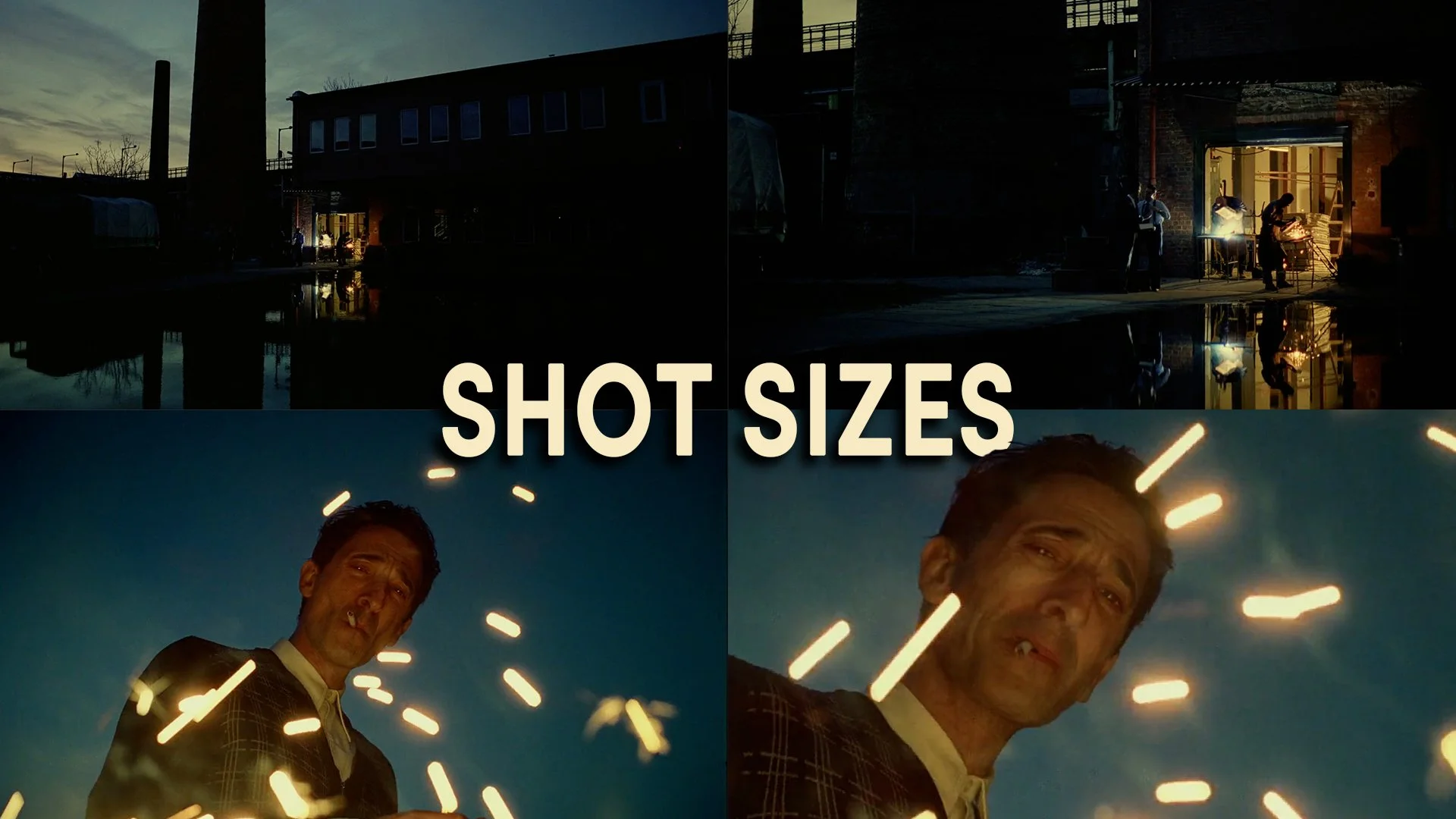
That’s where shot sizes come in. They’re a shorthand language for filmmakers to communicate how each frame will play out. Today we’ll run through the different terms that you can use and the emotional effect they may have on the audience.
EXTREME WIDE SHOT (EWS)
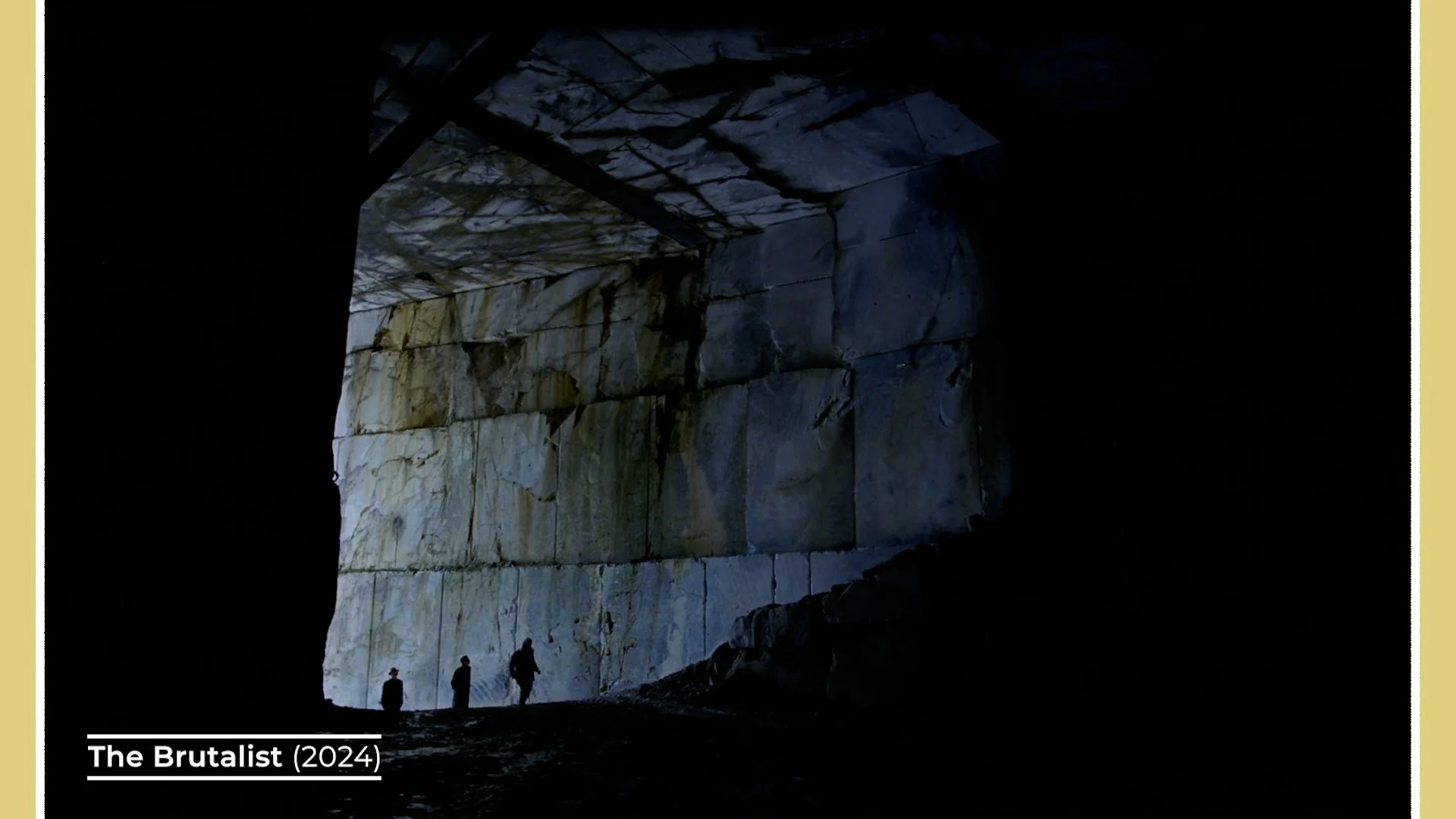
Shots are usually defined by their proximity to people, or objects, in a frame. When characters are furthest from the camera and occupy just a tiny fraction of the frame we call it an extreme wide shot. This prioritises space over people.
This could be an aerial shot with a drone or helicopter, a frame from a high vantage point like a ladderpod or a building, or a tripod shot where the character is far away from the camera. Typically these would be shot on a wide angle focal length - such as from around 18mm to perhaps 25mm.
Because characters are dwarfed by their environment this makes the extreme wide great for emphasising the location’s importance and communicating ideas like isolation, scale, or a character’s vulnerability or insignificance in relation to their surroundings.
A character trekking through an inhospitable landscape. A figure dwarfed by architecture. A moment where the world matters more than the individual.
Extreme wides don’t primarily show how a character feels, but rather focus on where they are, and their relationship to that world.
WIDE SHOT (WS)
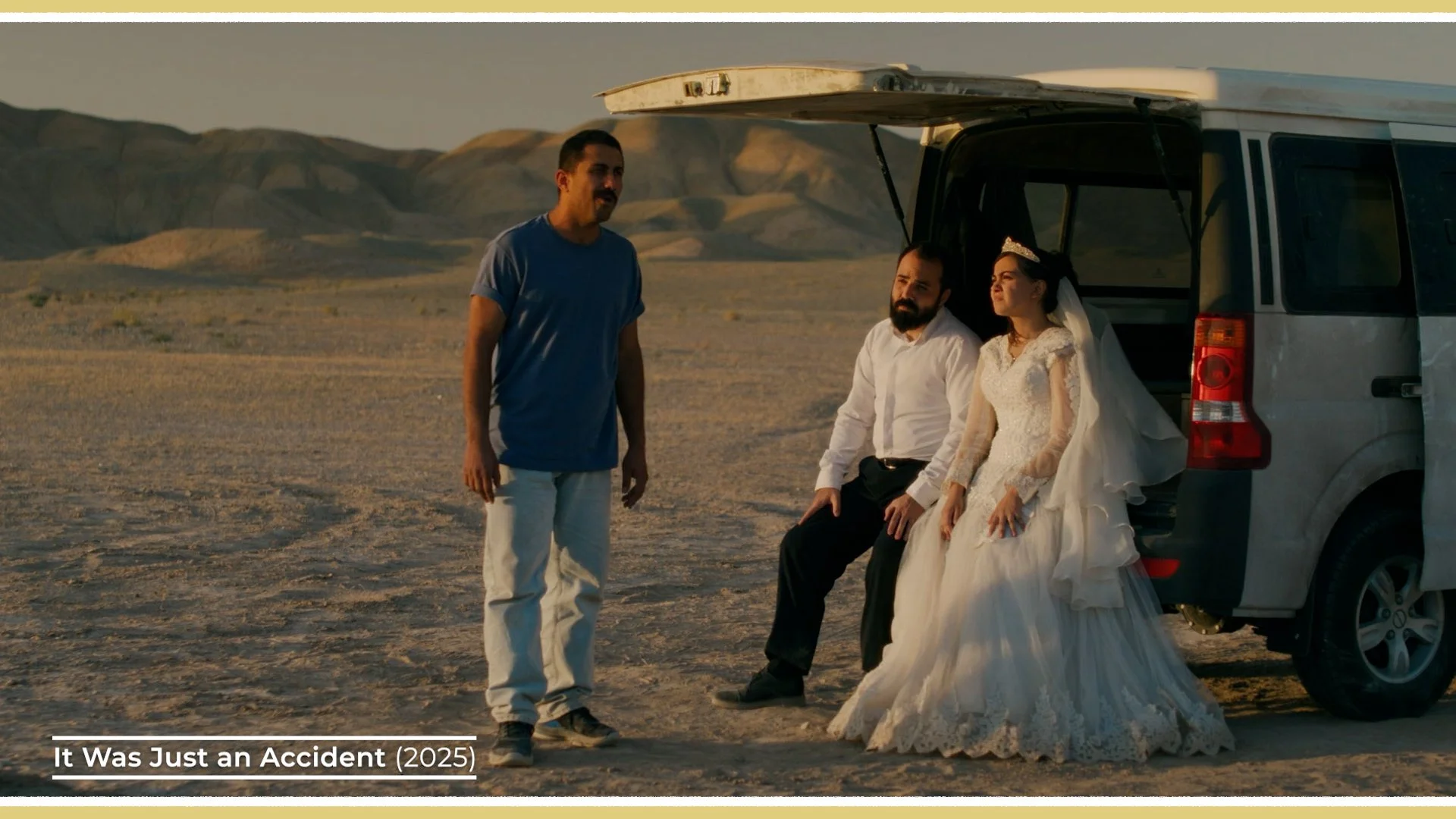
Moving the frame closer, we have the wide shot or long shot. Again, the environment dominates the frame, but this time the person in the shot takes up more of the frame and is included from head to toe.
Traditionally shot on a wide to medium focal length such as from 24mm to 35mm, this makes the wide shot ideal for establishing geography and context, and for getting a sense for a character’s movement and blocking within the space.
This makes wide shots good for communicating where characters are, showing off a location, or for capturing moments of full body action.
Although it’s usually too wide for audiences to appreciate the nuances of an actor's performance, we do now start to get a general sense of their emotional state.
MEDIUM WIDE SHOT (MWS)
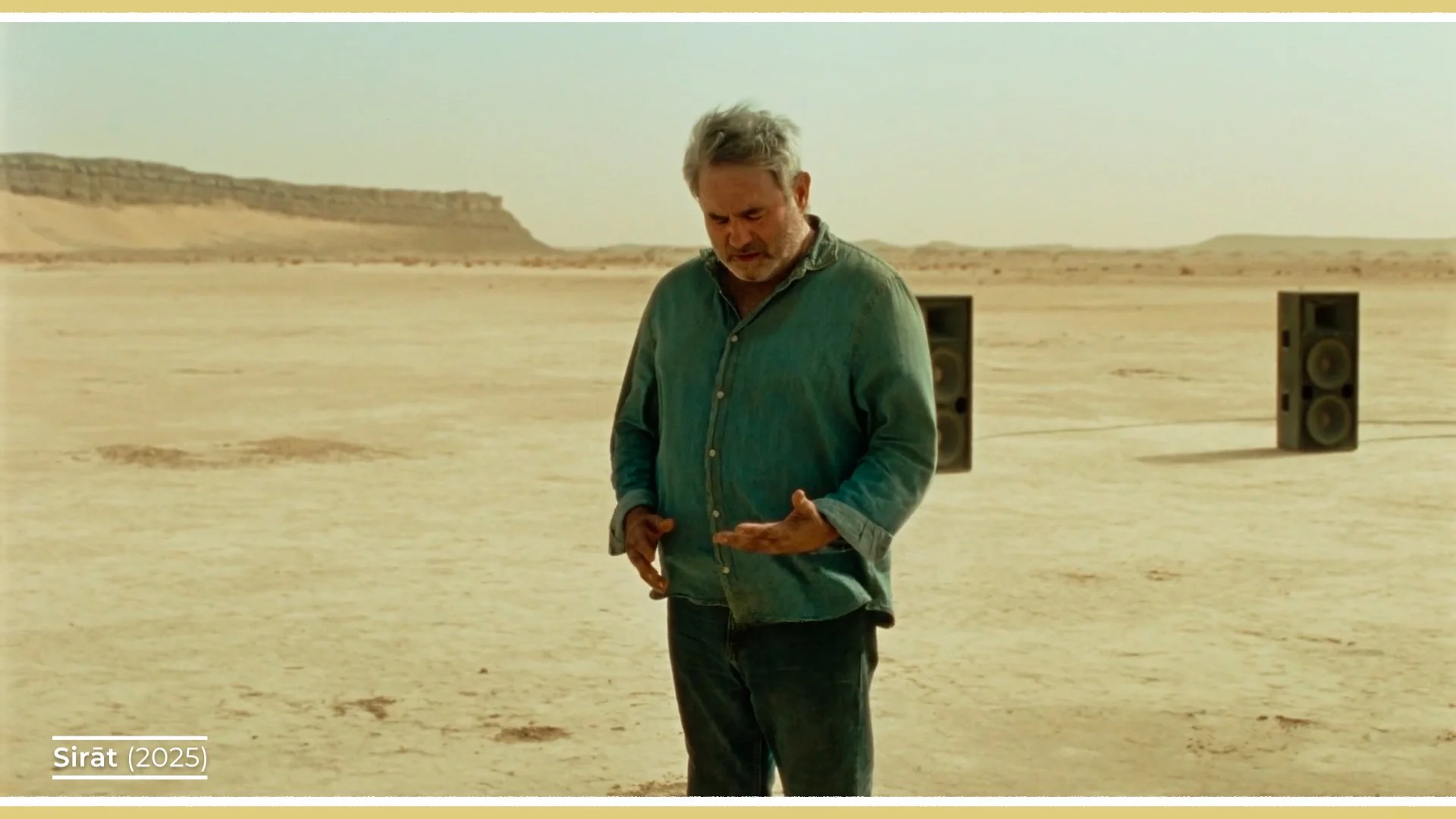
The medium long shot, or medium wide shot, is a bridge between environment and character.
Typically framed from around the knees up, this shot still gives us body language and movement, while keeping the surrounding space present.
It’s good for dialogue scenes, blocking-heavy moments, or scenes where physical performance matters. It’s not emotionally aggressive, but it’s not distant either.
A slightly tighter variant of this is called the ‘cowboy shot’ - a relic of old Westerns where characters were framed to include the gun holster on their hip - especially during a stand off.
The MLS says: pay attention to the character but don’t forget where they are.
MEDIUM SHOT (MS)
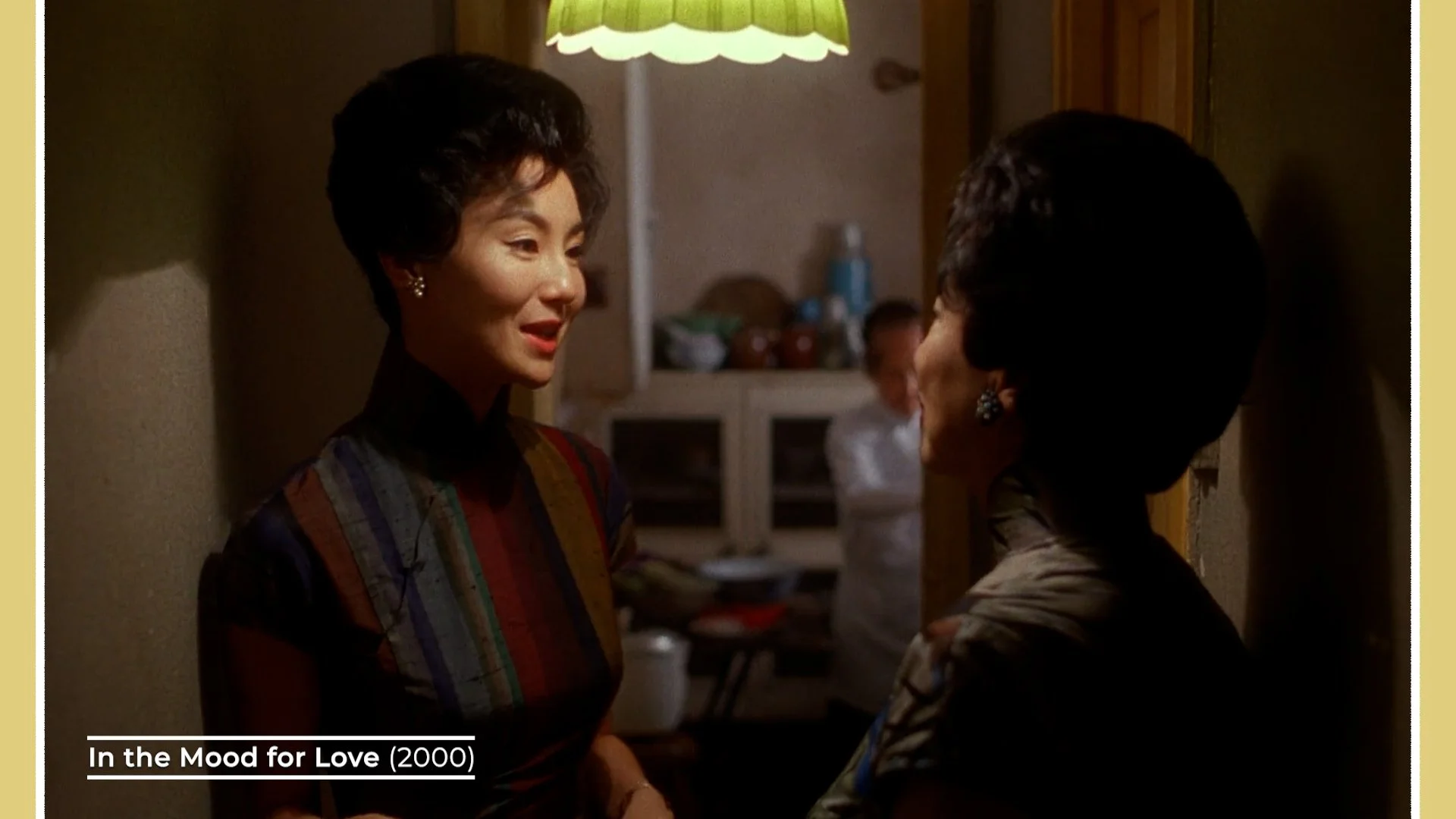
The medium shot is one of cinema’s most widely used frames.
Usually composed from the waist or chest up, it closely matches how we observe people in everyday life when we stand at normal conversation distance from them. Because of that, it often feels natural, balanced, and unforced. And is often used for the majority of more emotionally casual dialogue scenes.
It’s common to film mids on more naturalistic, medium focal length lenses, such as a 35mm, 40mm or 50mm.
The medium shot is a good default shot for when a filmmaker wants us to focus on what a character is saying or doing without pushing us emotionally too hard.
MEDIUM CLOSE-UP (MCU)
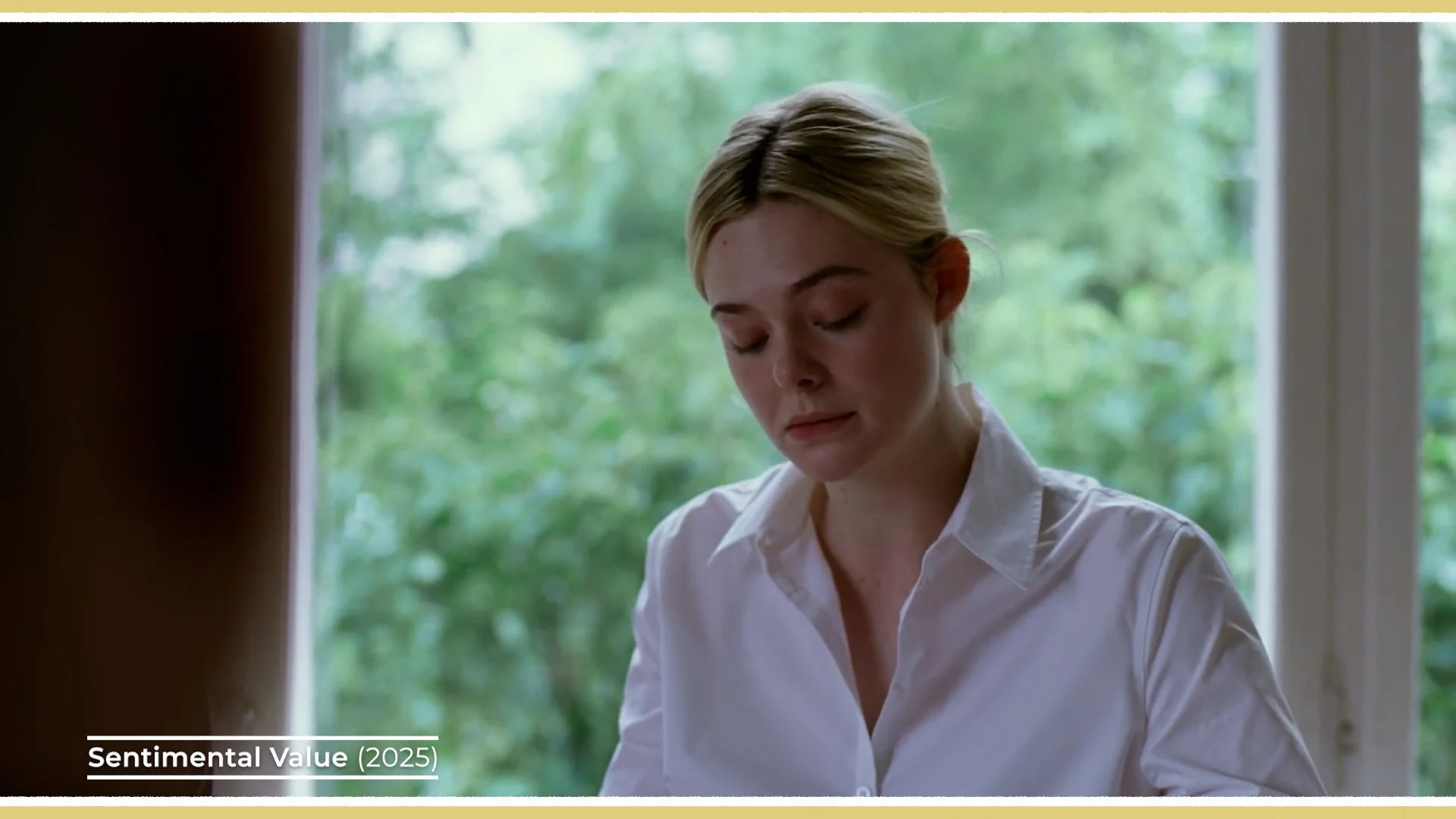
The medium close-up is where emotion starts to take priority.
By framing a character from the chest or shoulders up, the background begins to fall out of focus, and the facial expression becomes the main source of information.
This shot brings us closer but still leaves breathing room. It’s intimate without being overwhelming.
MCUs are often used for more emotionally elevated moments in scenes: at moments of realisation, decision, or emotional transition when we need access to a character’s inner state, but not full immersion just yet.
CLOSE-UP (CU)
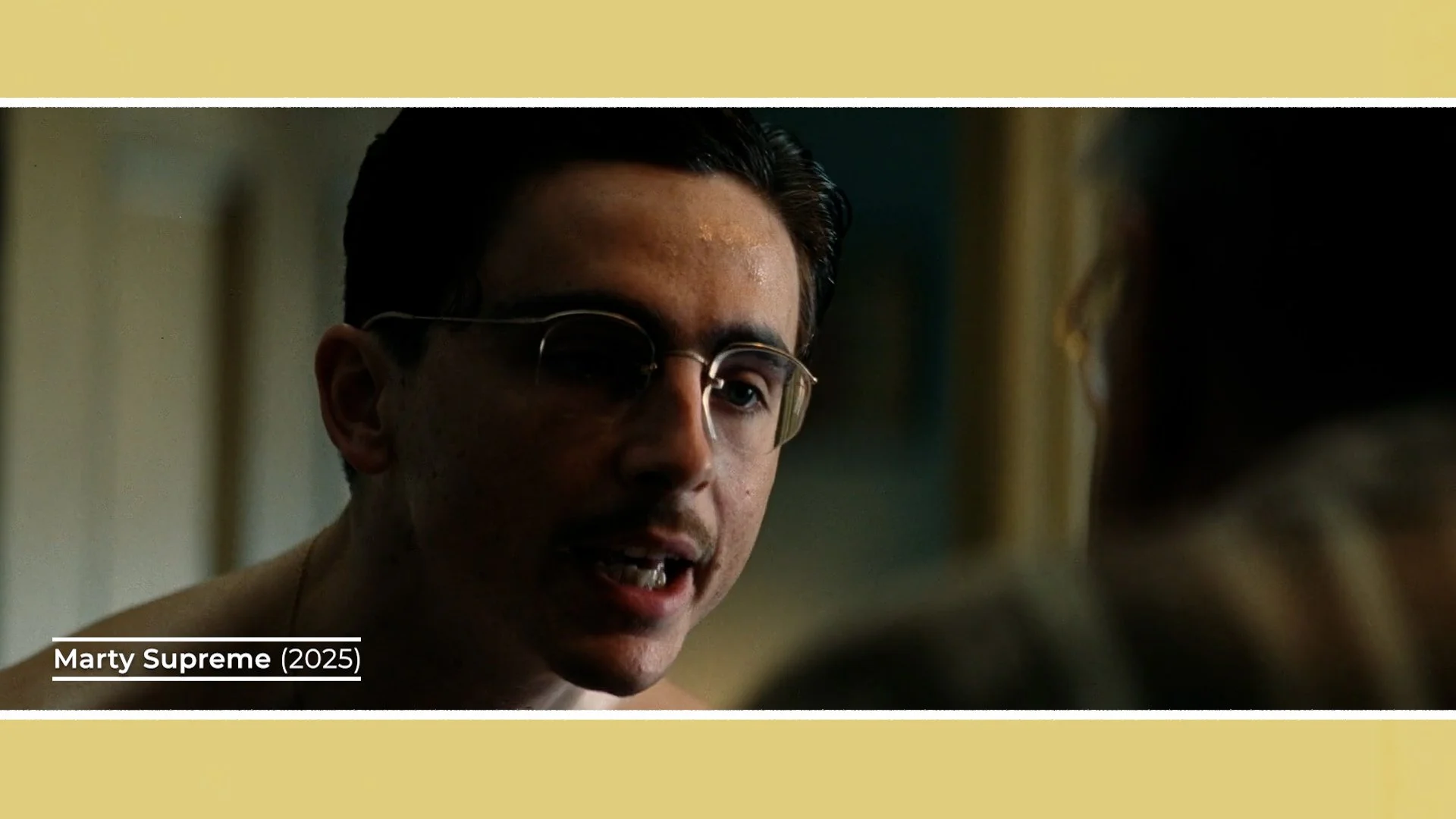
The close-up goes further and removes almost everything except the face.
At this distance, subtle changes in expression carry enormous weight. A blink, a twitch, a held breath, things that would disappear in wider frames suddenly dominate the entire shot.
As such, they’re often shot on more telephoto focal lengths, from a 50mm, a 75mm, or a 100mm upwards. These lenses compress the image, render faces without distortion and blur the background - making a character’s emotion the focal point.
Close ups provide a language which is almost confrontational or excessively emotionally involved. They demand the audience’s attention and signal importance.
When a filmmaker cuts to a close-up, whether of an object or a person, they’re saying: this moment matters, look closely.
EXTREME CLOSE-UP (ECU)
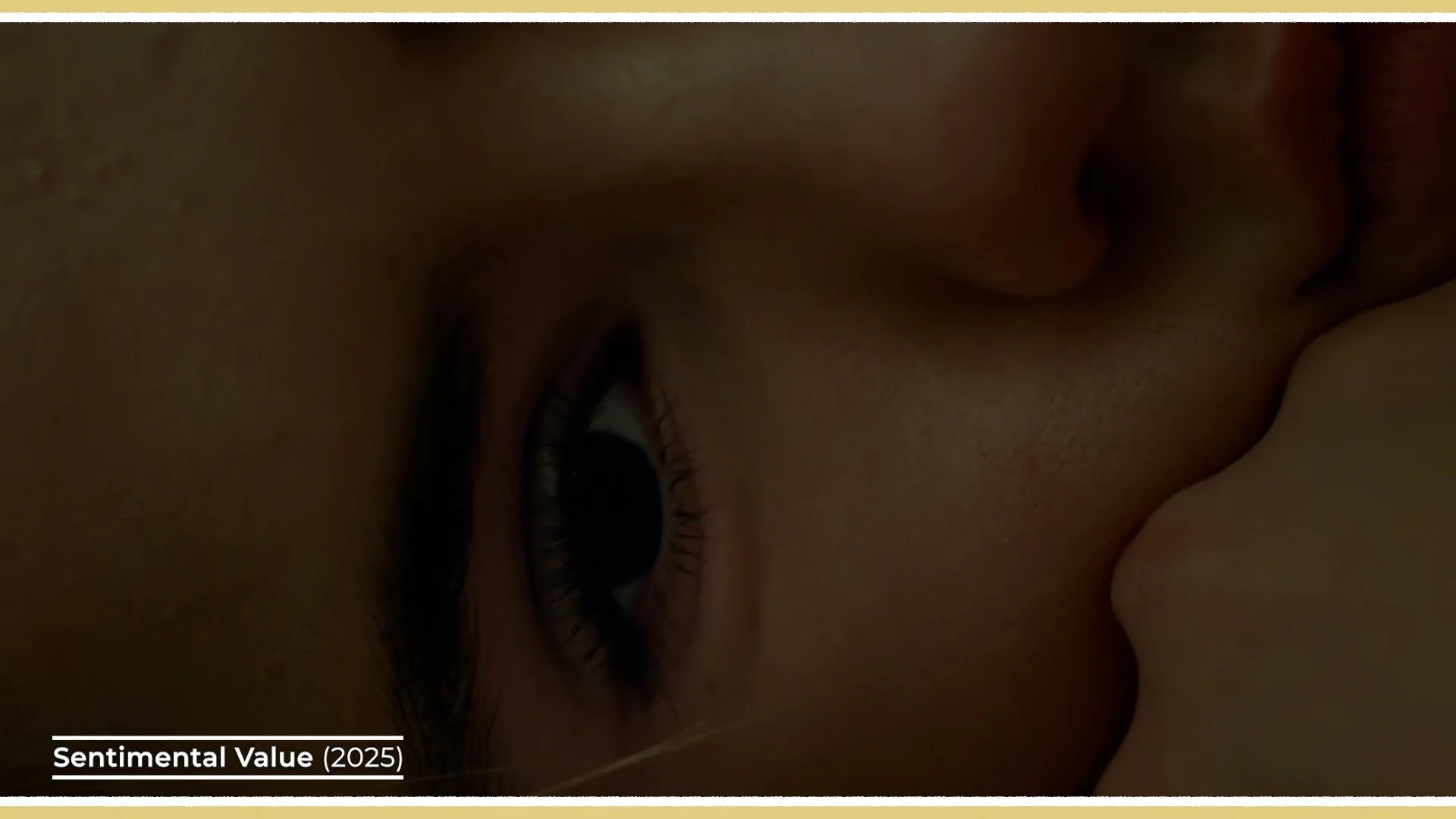
Finally, at the absolute tightest end we have the extreme close up. This presents fragments of the human body: an eye, a mouth, or a hand tightening around an object.
By isolating a single detail, the ECU abstracts reality and amplifies meaning. It can feel intimate, unsettling, symbolic, or highlight an important detail by blowing it up on screen.
Used sparingly, extreme close-ups can create tension or obsession. Used excessively, they can feel claustrophobic or aggressive.
To get such a magnified perspective usually means using a long telephoto focal length like a 100mm, sometimes also requiring a diopter, which allows lenses to focus closer to subjects and make sure they are sharp even at such close proximity.
This is no longer about observing a character, it’s about fixating on something specific.
CLEAN / DIRTY
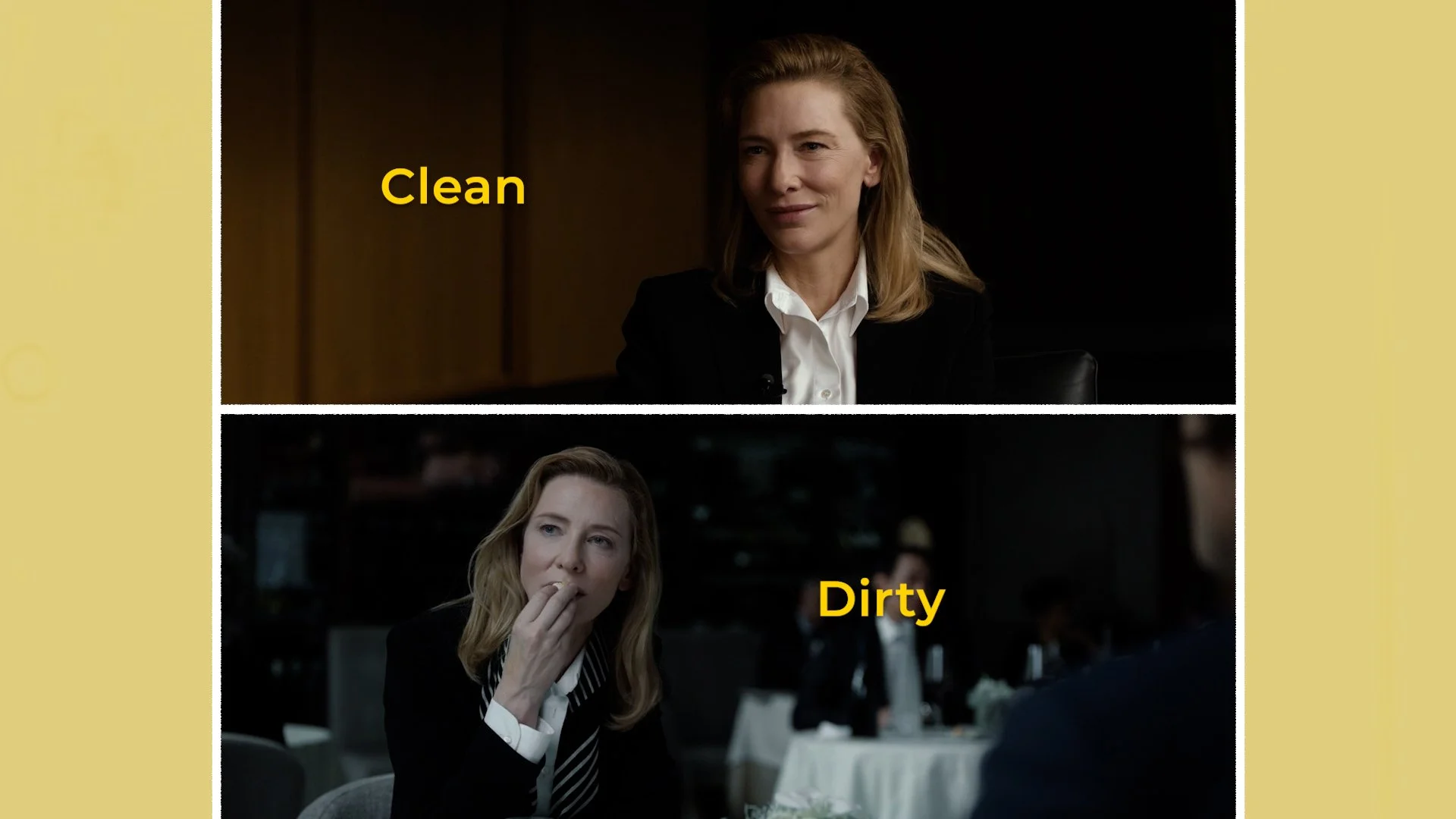
With shot sizes out the way, there are a few other descriptive terms which can help you to articulate your vision.
Shots can either be clean or dirty. A clean frame isolates a subject completely, while a dirty frame includes part of another character or object in the foreground. A common example of this is shooting over-the-shoulder.
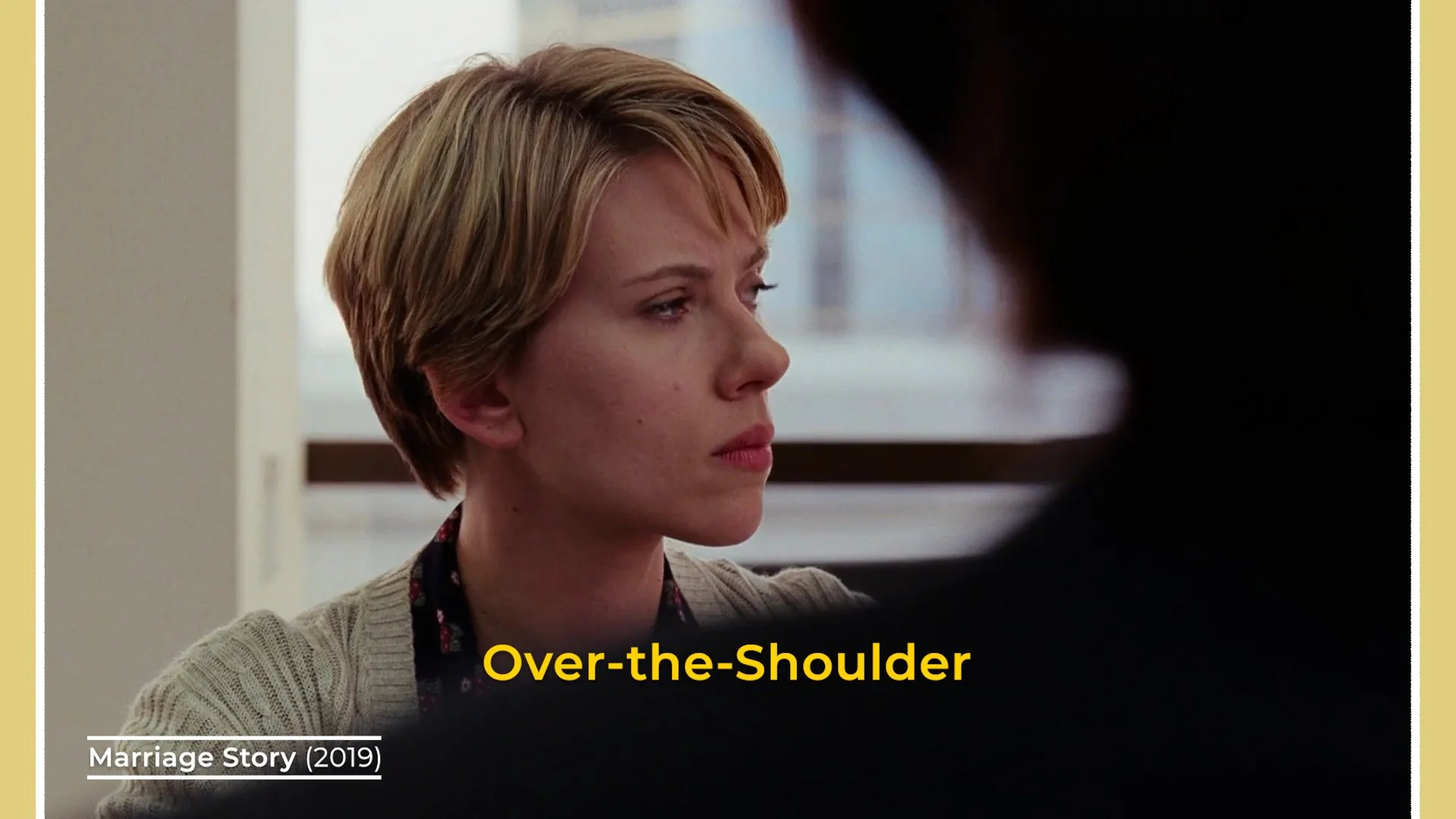
A clean close-up feels more personal or isolates individuals. Dirty framing subtly reminds us of relationships, power dynamics, and spatial awareness. It keeps multiple characters present in the frame, even when only one is in focus.
POV SHOTS
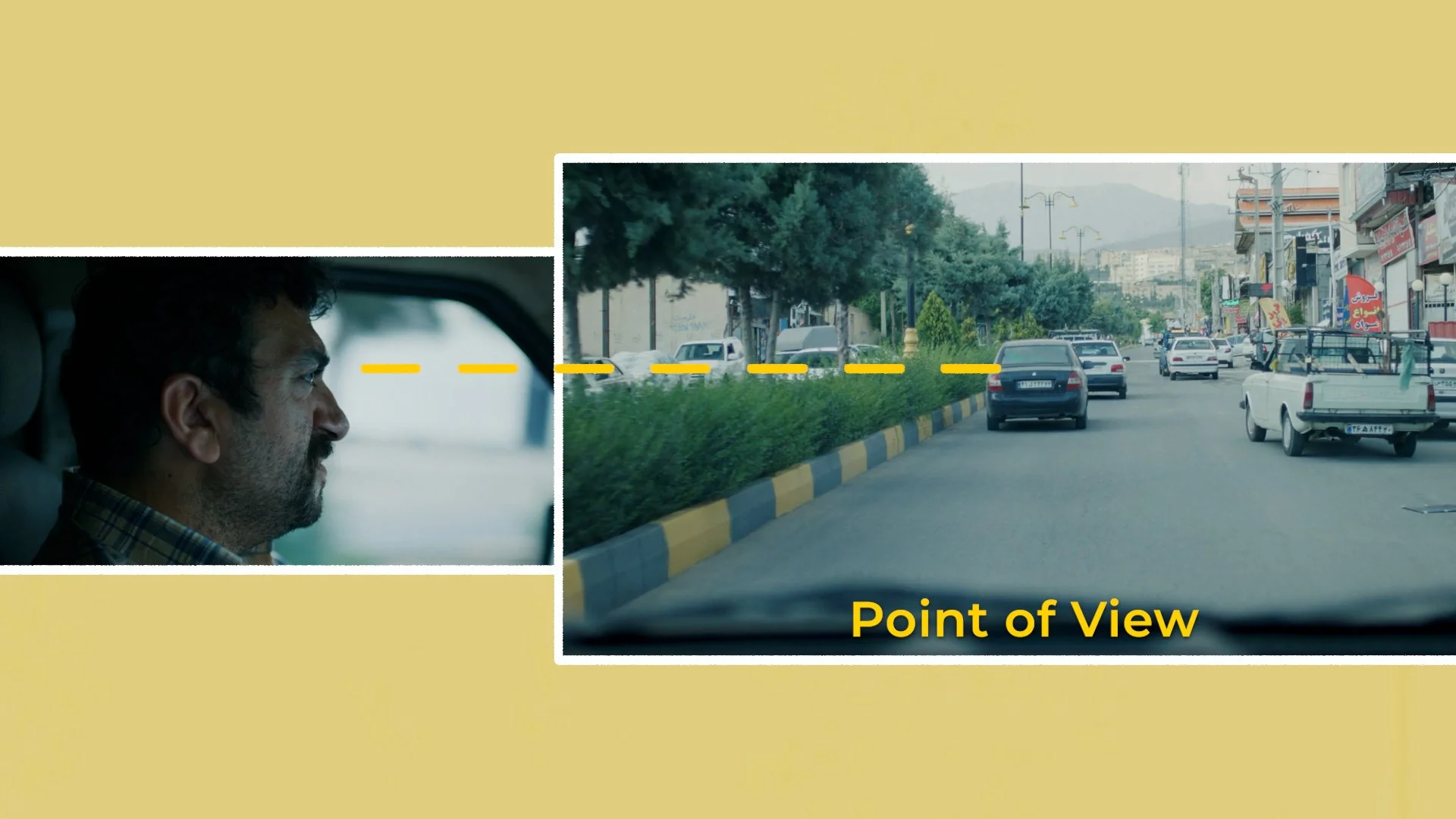
Point-of-view shots place us directly inside a character’s perspective.
They collapse the distance between audience and character, removing the observer role entirely. We’re no longer watching someone experience something: we’re experiencing it with them.
POV shots are commonly filmed on long focal length lenses or zooms, to increase the voyeuristic feeling of the frame.
INSERT SHOTS
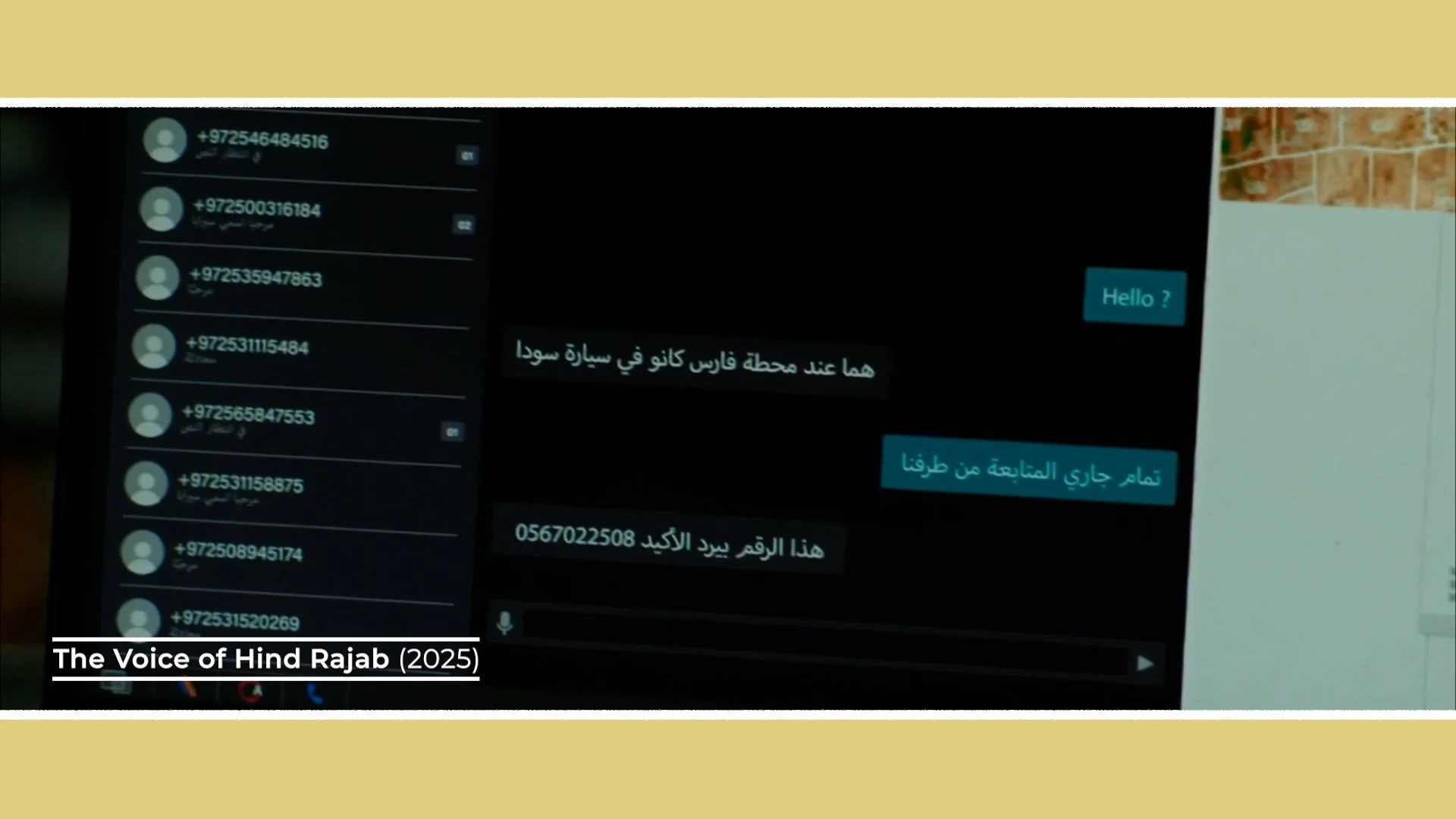
Insert shots isolate an object or detail that might otherwise go unnoticed.
They’re often functional and focus on things which are important in the story and information which the filmmaker wants the audience to take in.
SINGLE / TWO-SHOTS
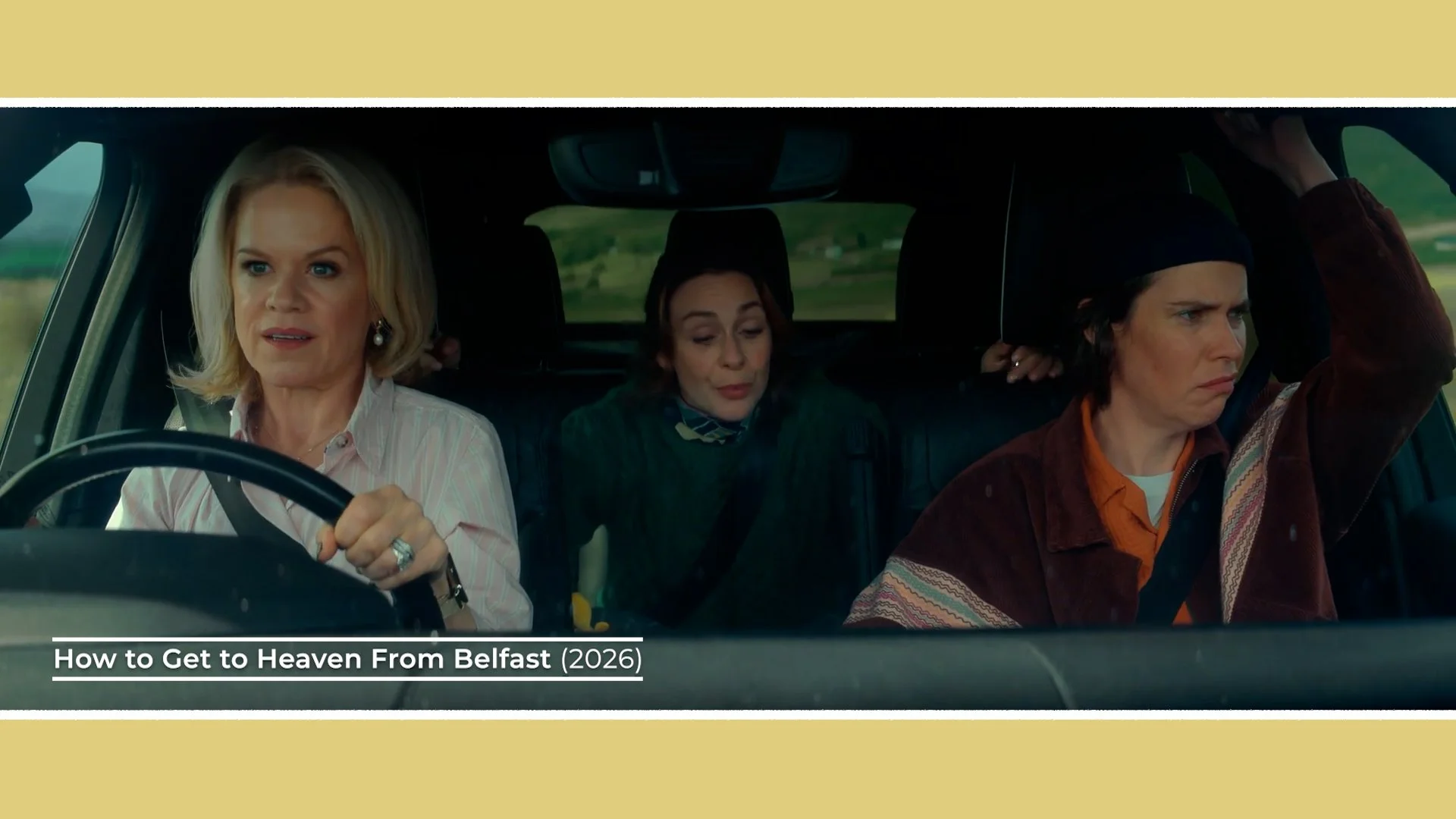
Another decision is how many people to place in a single frame. This is expressed as a single, a two-shot, three-shot, etcetera. A single shot isolates a character. A two-shot connects them.
Two-shots are often used to express unity, intimacy, balance, or a lack thereof by using the distance between characters to isolate them on opposite sides of the frame.
This choice affects how connected, or disconnected, characters feel.
FRONTAL / PROFILE / THREE-QUARTER
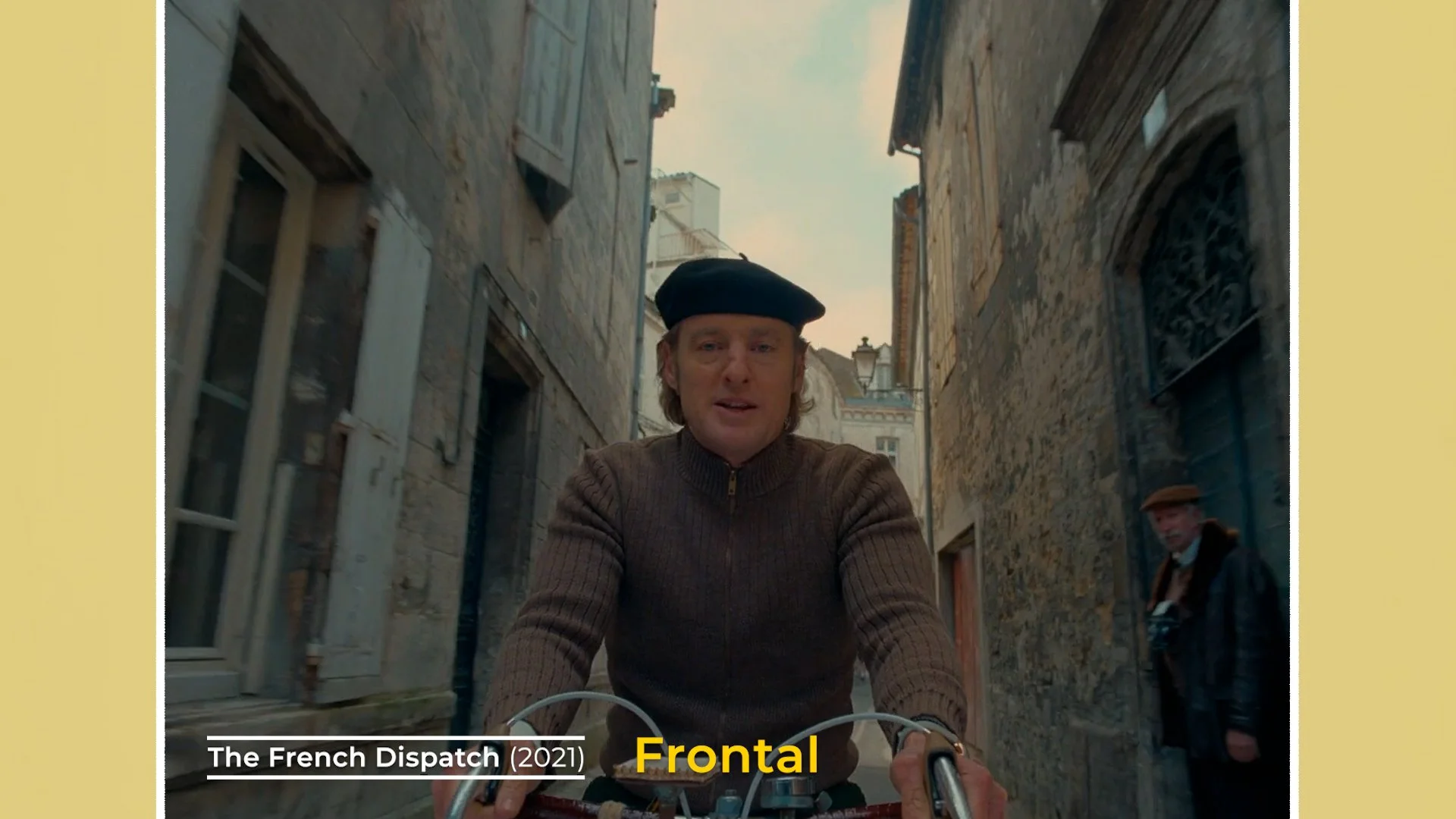
Filmmakers also control the angle the camera is placed at in relation to the subject. A frontal shot can feel confrontational or when framed symmetrically be a bit whimsical.
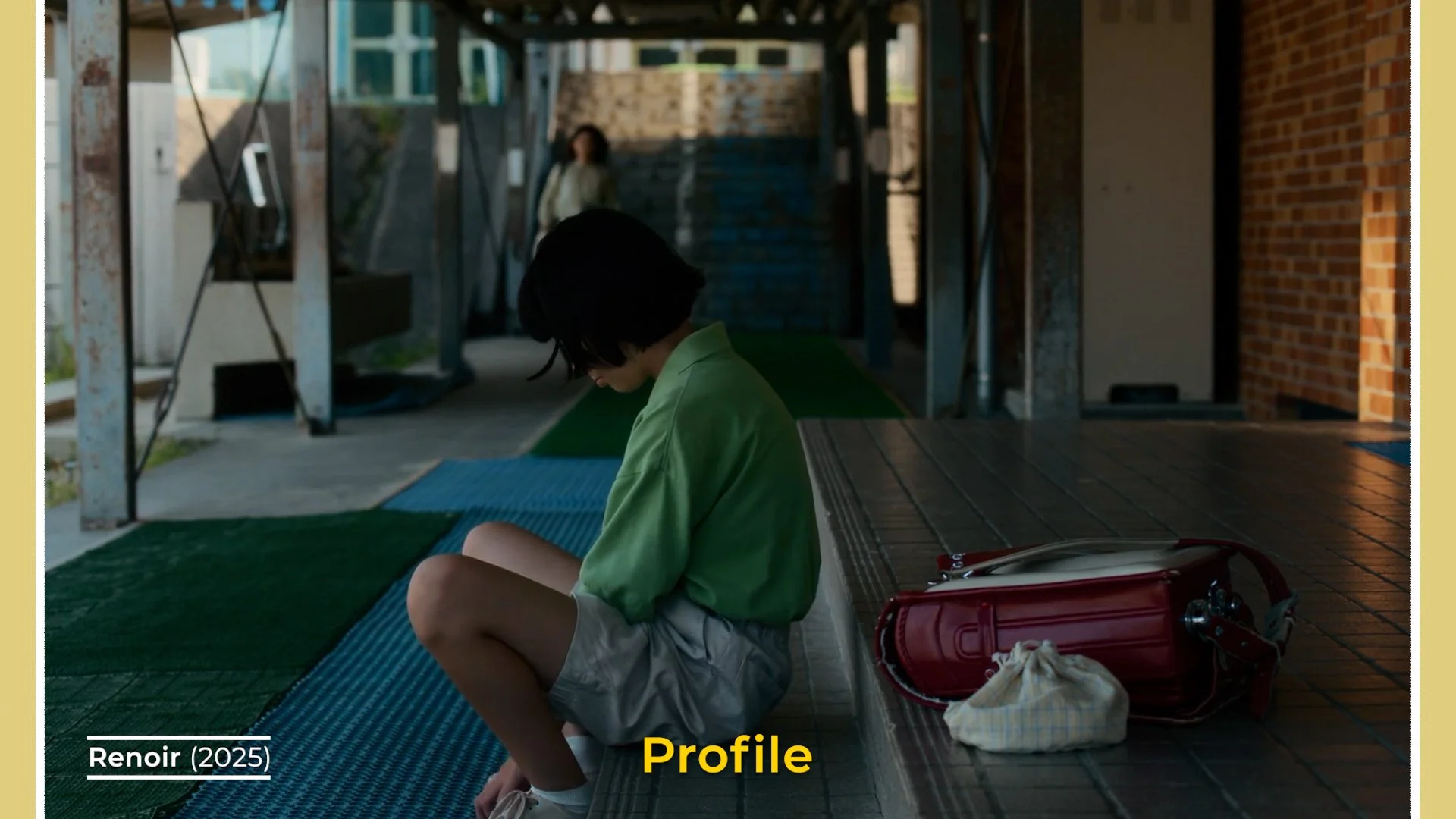
A profile shot, from the side, can distance us and eliminate how much of the performer’s face we see.
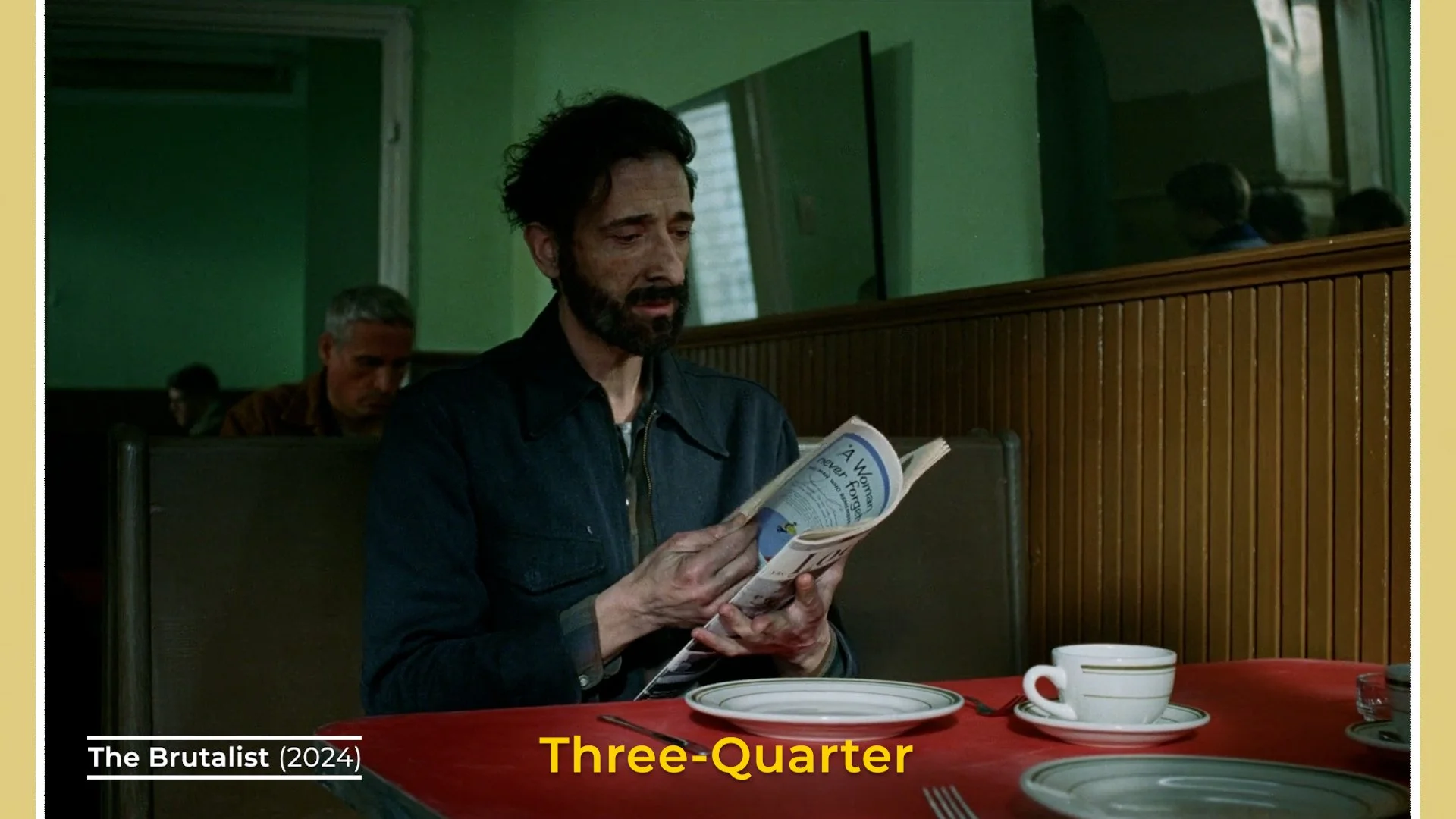
A three-quarter angle, is quite traditionally cinematic, and frames characters in a naturalistic, non-distracting way.
These subtle orientation changes can dramatically affect how approachable, guarded, or dominant a character appears, even when the shot size stays the same.
CHANGING SHOT SIZES
Sometimes, the most powerful shift in shot size doesn’t come from a cut, but from movement. This could come from the camera itself moving, such as on a dolly or slider, or from a zoom during the shot.
A slow push in from a wider frame into a close-up can mirror an emotional realisation or rising tension. While pulling back into a wider shot can create distance, a feeling of loss, or emotional withdrawal.
Instead of using cuts to control how the audience processes a scene, different shot sizes, and fluctuations in emotion, can be combined into one flowing moment.
CONCLUSION
Every framing choice carries meaning, whether it’s loud or invisible. And once you start recognising how filmmakers use shot size to control attention, emotion, and perspective, you begin to craft a visual language which suits your story.
Because in the end, how close the camera is to a character isn’t just about what we see. It’s about how close we’re allowed to feel.