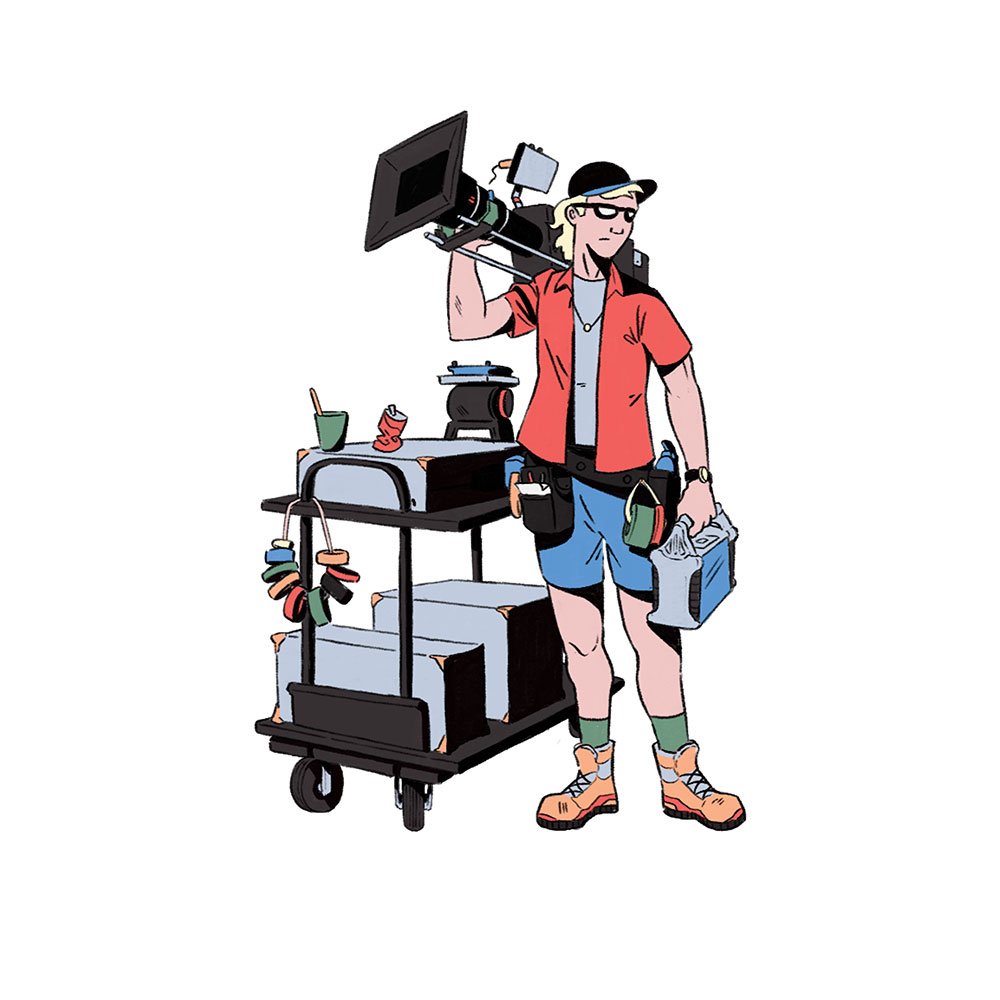
The Pros & Cons Of Shooting Handheld
INTRODUCTION
It’s interesting when filmmakers dealing with massive budgets - who have the option to shoot everything on a Technocrane, a Steadicam, or any other piece of incredibly expensive gear - instead decide to instead shoot handheld.
It indicates that shooting handheld is a creative decision which is carefully and deliberately considered, rather than a choice born out of pure practicality.
Let’s examine some of the reasons why filmmakers decide to shoot handheld, and some reasons and situations where they may not want to.
THE PSYCHOLOGY OF HANDHELD
Handheld is not always a shortcut; it is a psychological tool that can be used by filmmakers. Handheld breaks the conventions of formal cinematography. It replaces a clinical, static, or traditionally cinematic perspective (like using a dolly, crane, or tripod) and gives the shots a completely different psychological feeling.
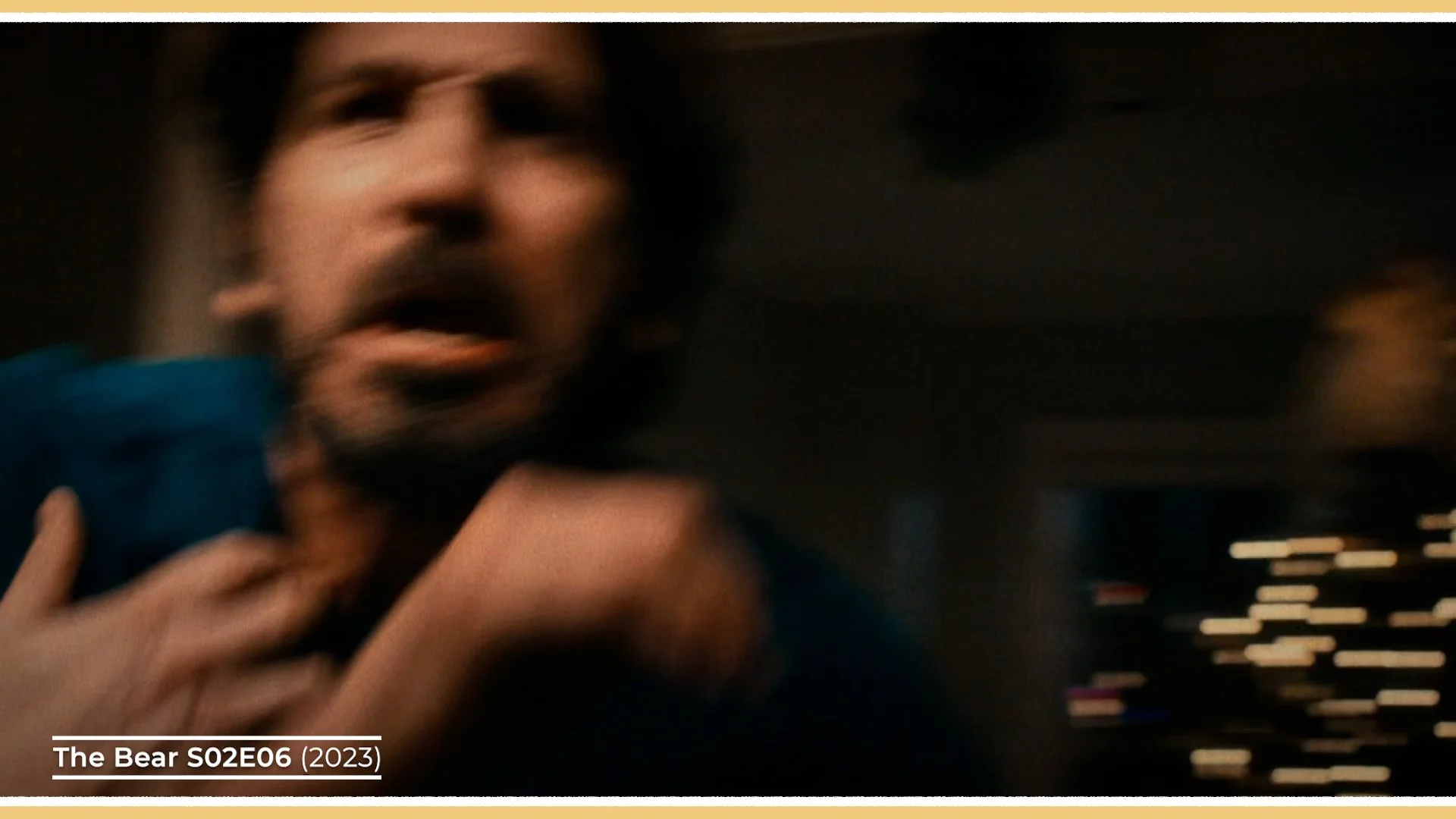
The subtle shake and ‘alive movement’ can make things feel more immediate, observational, or infuse footage with a deeply intimate human presence. Because of its historical associations with non-fiction content, like fly-on-the-wall documentaries, handheld can trick the brain into thinking, "This is happening right now, unfiltered."
This handheld language primarily emerged in the late 50s and early 60s as a form of documentary called cinéma vérité, or direct cinema, which involved observing the actions of subjects with minimal interference, often using the new, portable lightweight handheld cameras of the time.

One filmmaker who has extensively used this technique is Paul Greengrass:
“I had a particular view about what an image was cinematically. It was very fluid, very kinetic, very raw, very rough and handheld.I had developed that over time because it was where I started shooting. I had operated thus far I think in quite a classical, British documentary, realist tradition.” - Paul Greengrass, Director

This allowed documentary cinematographers to shoot handheld in a reactive, immediate way, based on the movement of the subject.This look soon became part of fiction filmmaking’s vocabulary and gives scenes a striking feeling of immediacy and realism. It gives the footage a feeling of being alive, rather than locked off and stagnant.
The context in which handheld is used matters immensely and can give different images a different tone or feeling. For instance, handheld can be used to make audiences anxious when it's deployed during moments of tension or action.
Or it can be used for beautiful, intimate conversations, deeply personal moments of vulnerability. Or it can heighten a moment of emotional revelation.

Either way, kinetic motion is designed to raise the audience's heart rate and get them closer to the characters in the moment. This is why handheld is classically used during physically elevated action sequences or emotionally elevated conflicts such as arguments.

An interesting exercise you can do is to go through a script, and as you read each scene, identify how it makes you feel. Are the emotions more subdued or elevated? Ask yourself whether each scene should be handheld or studio mode.
PROS OF HANDHELD
The psychological feelings we just broke down are ultimately the biggest reason to shoot handheld, but there are also some practical advantages to this style as well.
“Adapt to reality. Make your limitations into advantages. So, Wrestler, we had $6 million, which is not a lot of money. Everything was shot like you would shoot a verite doc, which doesn’t take that much. It takes one camera and a bunch of loads of film.” - Darren Aronofsky, Director

Not only does handheld potentially save on the cost of renting grips equipment and hiring crew - like you would when shooting with a dolly - more importantly, you save on setup time. The lower the budget, the fewer shoot days you can afford, and therefore the faster you will need to move.
As the camera is on the shoulder, handheld saves tremendously on the time it would usually take to reposition the camera between each take. There are no tracks to lay down and no heavy tripods to reset. I’ve used handheld as a time saving tool (when it aligned with the story) to fly through scenes, when shooting 10 script pages per day, or when chasing the rapidly fading golden hour light.

It also allows for frictionless improvisation.
“There are scenes in that movie with real people. For instance, in the supermarket where Mickey is slicing turkey for some woman. He really sliced the turkey and then he really wrote some random number, a price, and then that woman actually didn’t realise what was going on and actually paid for it.” - Darren Aronofsky, Director

Actors aren't tightly locked to strict marks on the floor. If an actor decides to suddenly sit down or pace across the room, an experienced operator can organically pan, move and reframe a handheld shot on the fly. Whereas a shot framed on an unmovable tripod will be a lot more limited in how the camera can correspond with an unexpected movement of the performer.
While this is true for narrative fiction, it is even more prevalent for documentaries. A handheld camera allows you to instantaneously react to and capture action and events as they change, move and unfold around you in real time.
CONS OF HANDHELD
Of course, handheld shooting isn't without its challenges, and certain scenes may simply not be suited to that psychological feeling. Sometimes the camera should be stiff, locked, and strictly observational. Sometimes the movement needs to be sleek and fluid.
If you do choose to shoot in an improvisational handheld style, treat this less as a con and more as a warning: remember that you will still need editing points and different angles to cut to in post-production.
It can be incredibly tempting to just shoot a few long takes of everything in a loose, handheld medium shot, but you will quickly find yourself left without cutting options (that aren’t jump cuts) in the edit. Just because you are shooting handheld, don’t forget about coverage or how the footage will align in the edit. You will likely still need at least a distinct wide, and tight handheld pass to make the scene cut together seamlessly.

You also have to be aware of possible VFX limitations. It may take more work (and therefore time, which means more money) to track VFX assets onto a shaky, handheld plate, whereas it's much easier with locked-off shots on a tripod.
There is also the issue of getting a cinematic level of camera shake. If lightweight cameras are not well operated it could give an unideal, jittery, cheap camera movement. Or, if you want to use telephoto lenses from around 75mm and up - the level of handheld shake can become a bit too excessive, distracting or offputting to audiences.

Operating handheld is a genuine skill. It sounds obvious, but you have to be proficient at operating for this style to work. Shooting on a tripod is arguably a lot easier because you can be far more considered and precise about your framing. With handheld, you have to make instantaneous framing decisions as the action unfolds. A trick I always use is: whatever you decide to do, commit to it. The worst way to operate is to be indecisive or to hunt for a frame. If you decide to tilt down to a detail, then do it decisively.Even if you miss the exact moment you were after, hold and commit to the shot before moving on. That decisiveness is what makes the operating feel intentional to the audience - which is something that comes with practice.Not only does the operating have to be good, but so too does the focus.
Filming in a handheld style where the spatial relationship between the subject and the camera is always subtly different with each take, requires an experienced and precise focus puller, who is able to organically adapt the focus distance in time with the movement of the operator. This requires hiring such a person, as well as having video transmission - which can be a barrier to entry for low budget shoots.

This focus issue was always a challenge, especially in the past, for solo operators who pulled their own focus. Although with the autofocus capabilities and tools of some modern cameras, it’s possible to shoot handheld with a lot of motion and still maintain a high degree of focus accuracy - even if the way the focus throws may not have the same organic flow as you will with a real focus puller.
Finally, remember that handheld can take a physical toll on the body, especially for long-form shows or feature films where you have a heavy camera on your shoulder everyday.If every single shot in a movie is handheld, you run the risk of the operating getting looser and less precise as they start to tire throughout a long day.
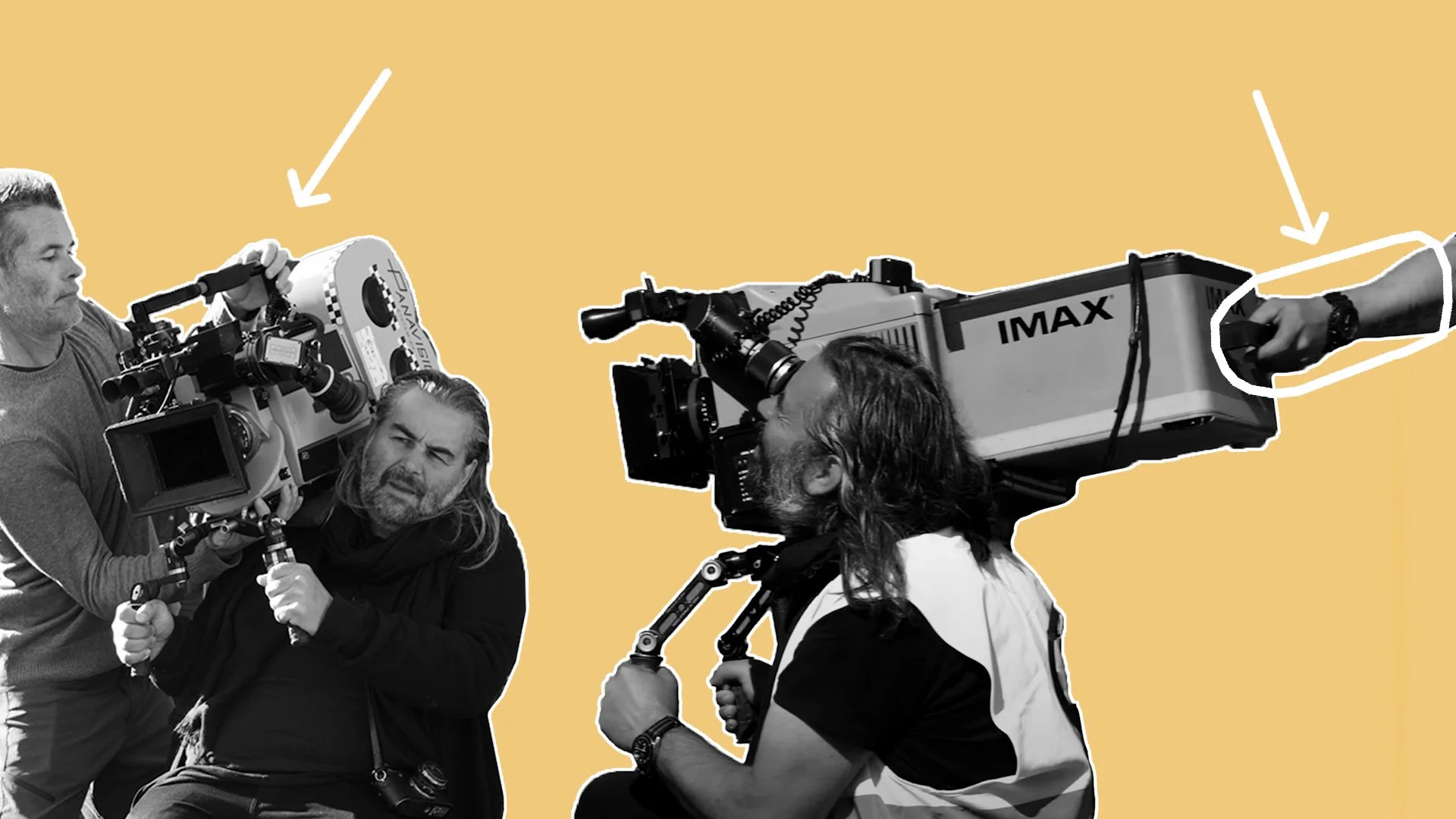
There are some solutions around this which I’ve discussed in a prior video, but your best friend when operating is to have a good grip, who can be on your shoulder ready to pass the camera over as soon as ‘roll camera’ is called and ready to grab it from you as soon as they hear ‘cut’. This minimises fatigue from holding onto the heavy camera, and saves your stamina for when it's time to execute the actual takes.
CONCLUSION
Whether it's used to elevate tension or capture a raw, documentary-style truth, handheld forces us out of the theater and into the scene. By carefully balancing its psychological power with its practical realities, you can transform simple camera movement into a profound storytelling choice. Ultimately, handheld is a tool of empathy and energy, that can align the audience with the character and let them experience each moment with them.