Why This Shot Works: Dolly Zoom
INTRODUCTION
It barely lasts a few seconds, yet it completely alters the psychological reality of a scene - warping background space while the subject remains rooted in place.
Long before digital visual effects were a thing, filmmakers worked out they could distort the world with a practical trick done entirely in-camera. This optical illusion is called the dolly zoom.
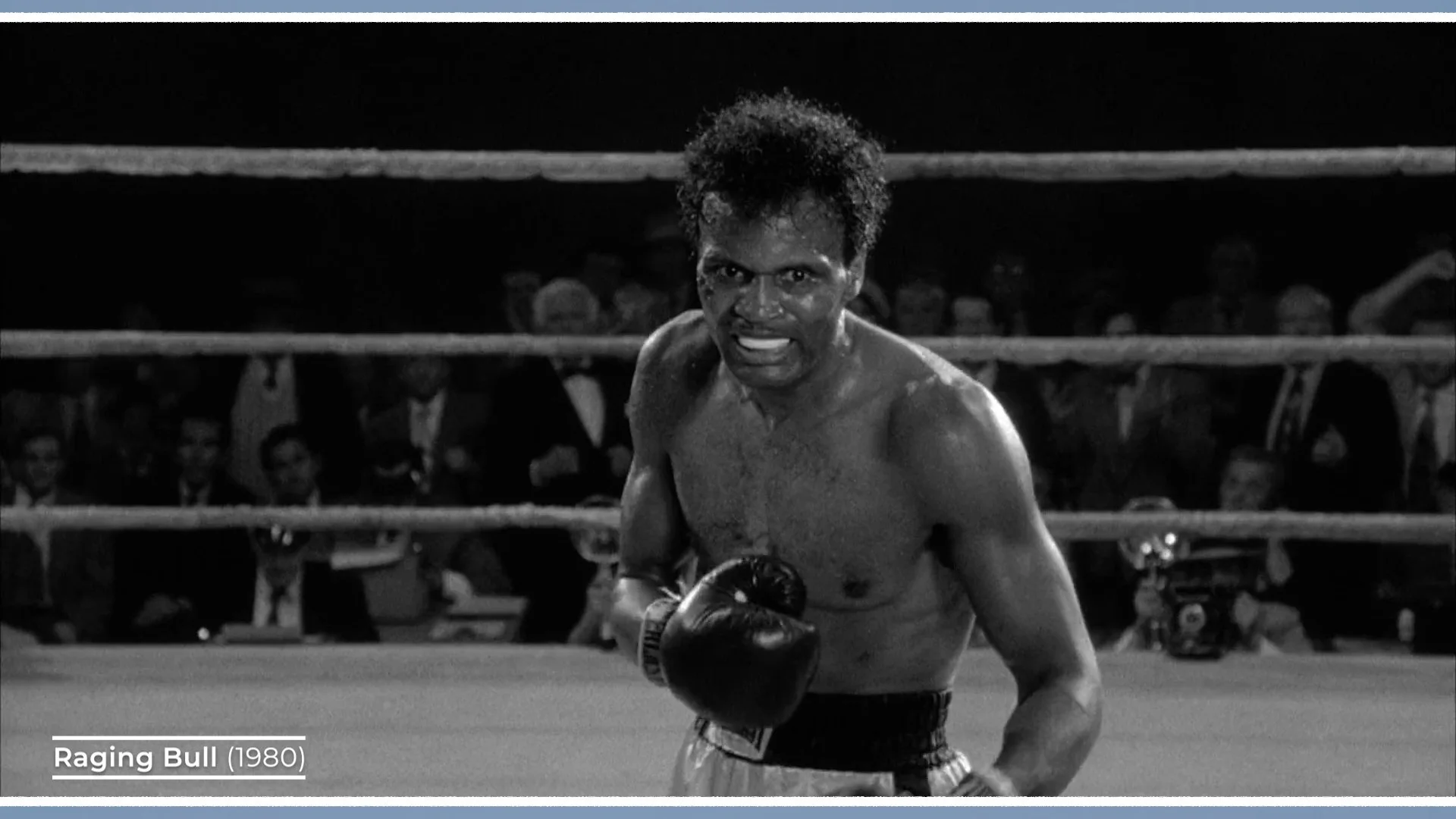
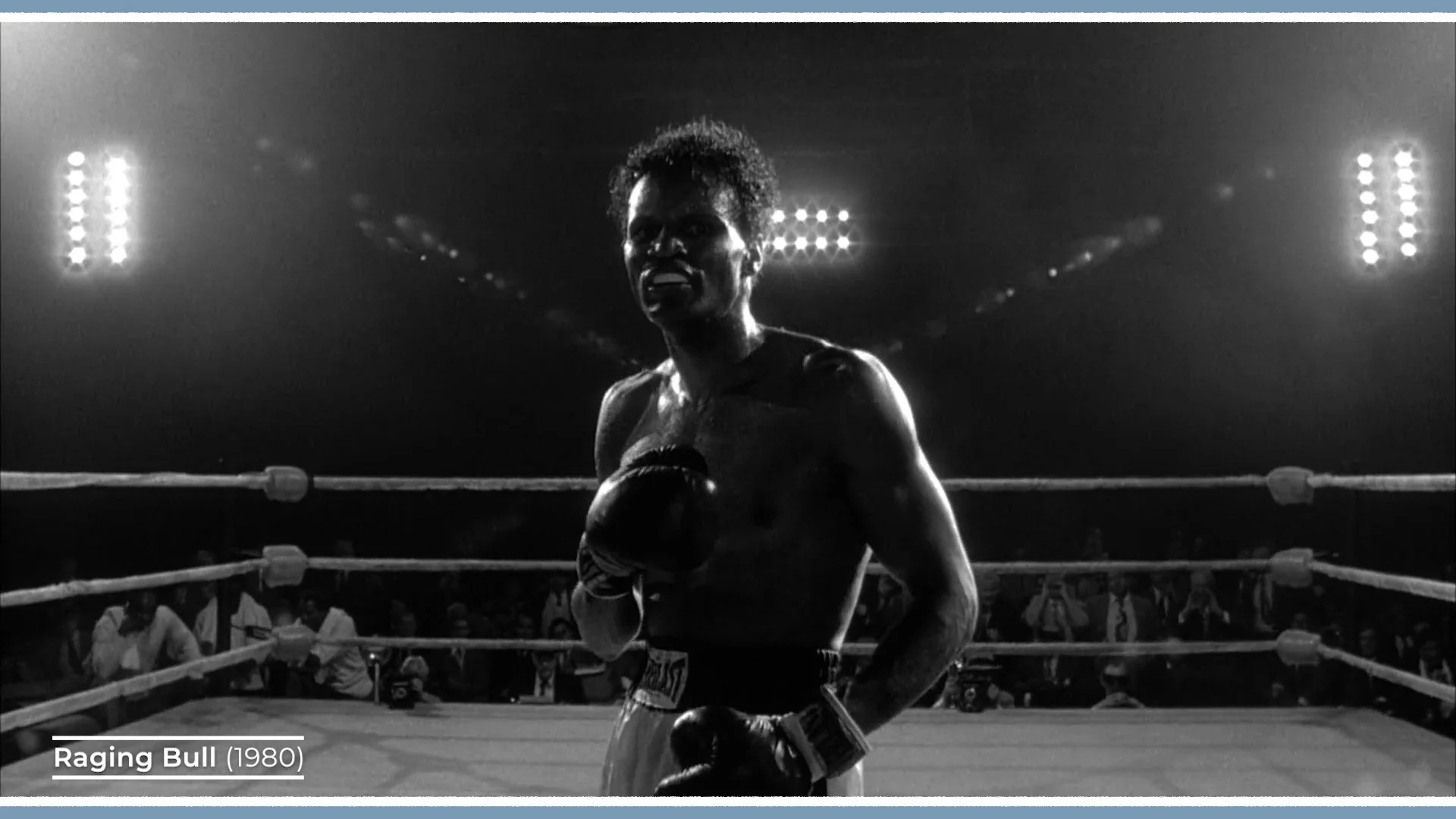
In this first episode of Why This Shot Works, let’s familiarise ourselves with the visual vocabulary of the dolly zoom, go over the gear and technique you need to do it and what filmmaking situations you can use it in.
WHAT IS THE SHOT?
The concept behind this optical illusion that tricks human depth perception is quite a simple one. It can be done by manipulating two different variables simultaneously focal length, through zooming, and camera position, through dolly movement.
Let’s start with focal length. This is a number on a lens, represented in millimetres, which determines the field of view the camera is able to capture.
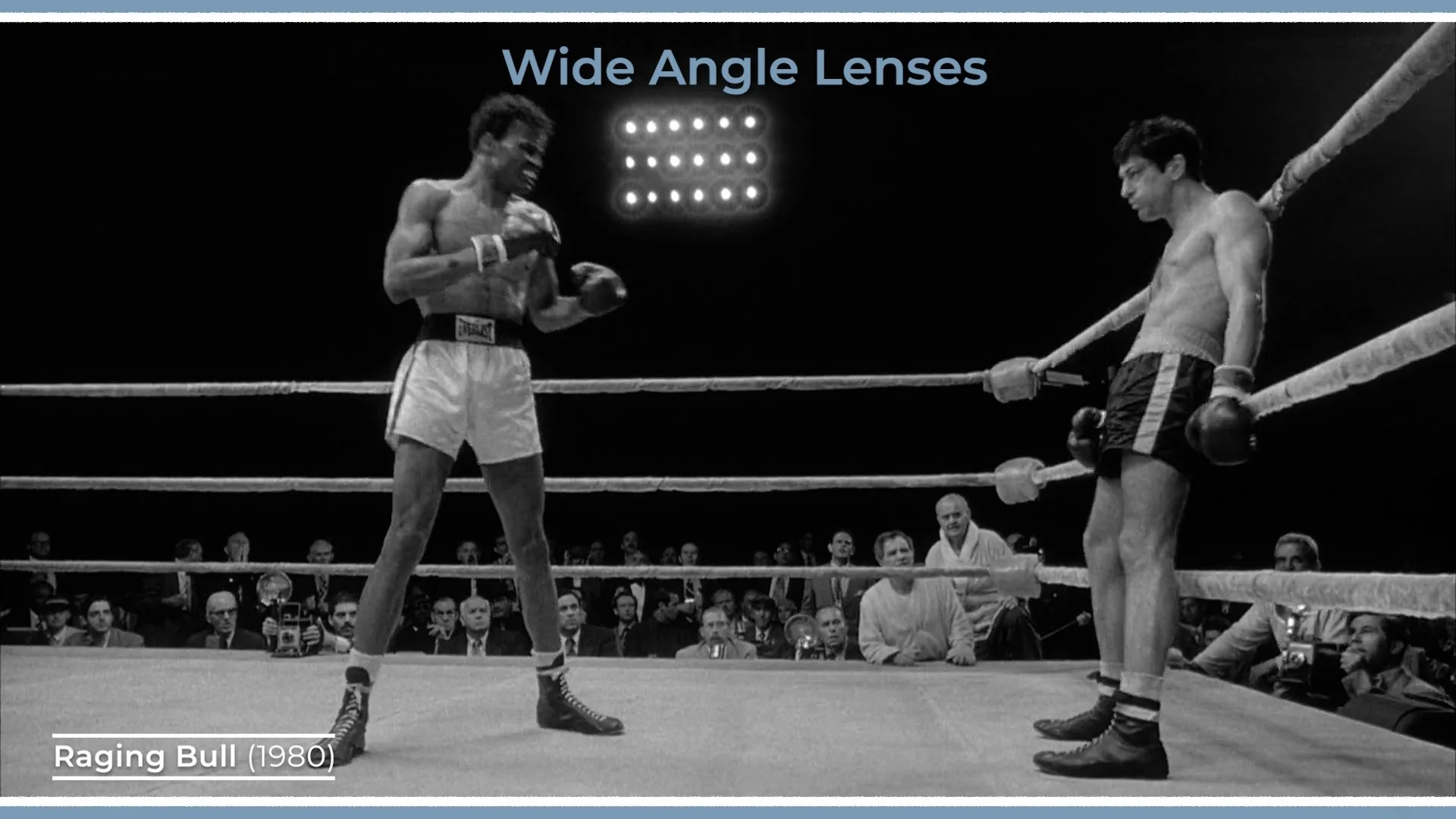
Lower focal length lenses, like 16mm, 18mm or 25mm, are called wide angle lenses. These have a very wide field of view that expands the width of a frame, exaggerates the distance between objects and makes backgrounds in shots look further away.
At the opposite end we have telephoto lenses with higher focal length numbers, like 100mm, 135mm, 290mm or even longer. These focal lengths have the inverse effect of magnifying the image into a tighter view that compresses the background and makes objects far away appear like they are much closer to the foreground than they actually are.
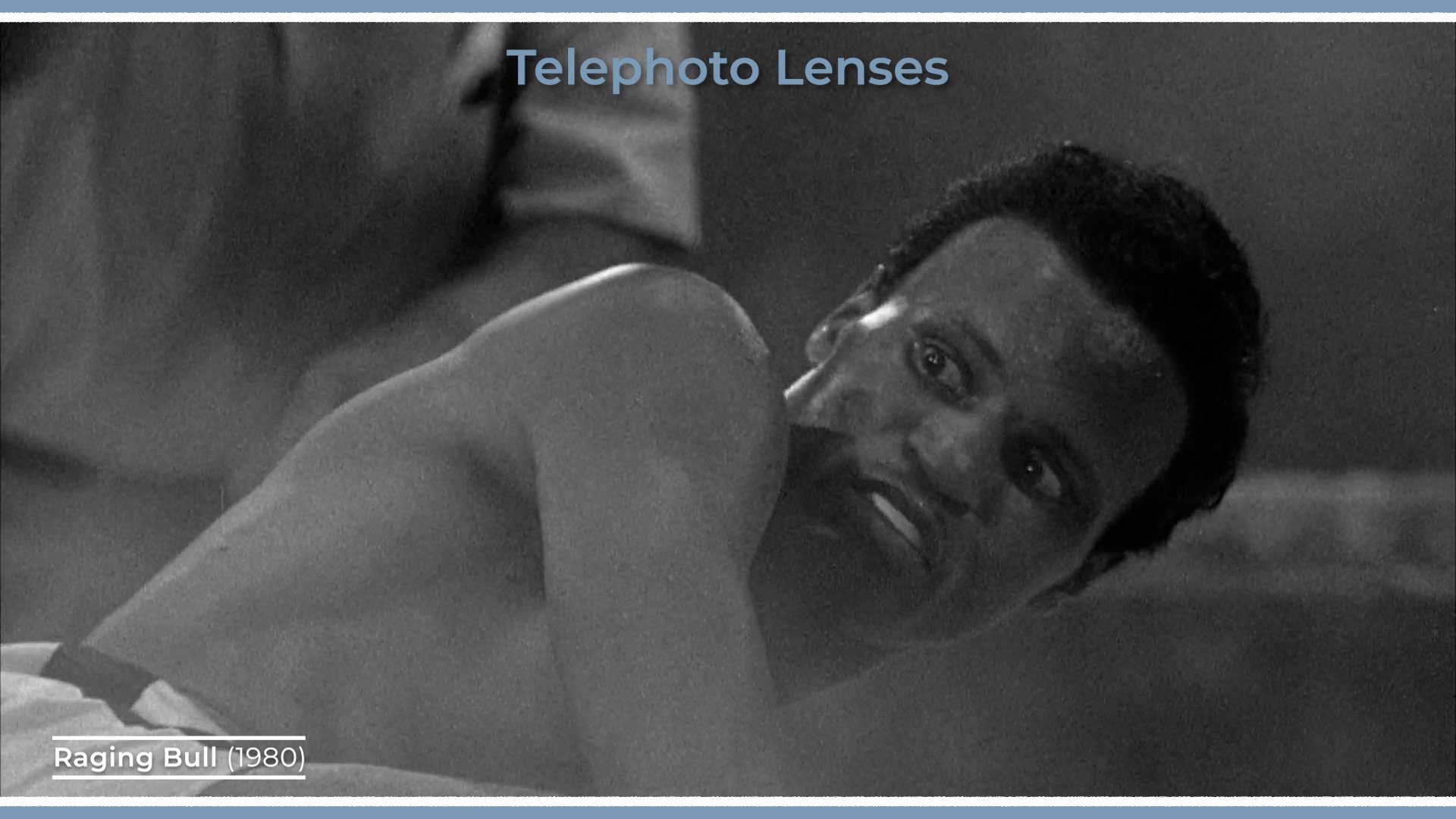
So, the first ingredient for a dolly zoom is getting a zoom lens on the camera and changing the focal length during the shot, by zooming wider or tighter.
The second ingredient involves changing the field of view by physically moving the position of the camera.
The closer you are to a subject the tighter the frame will be, while the further away you are the wider it’ll be. A dolly is a platform with wheels, which is traditionally set up on a straight track. This can be pulled or pushed to move the camera physically closer or further away from the subject.
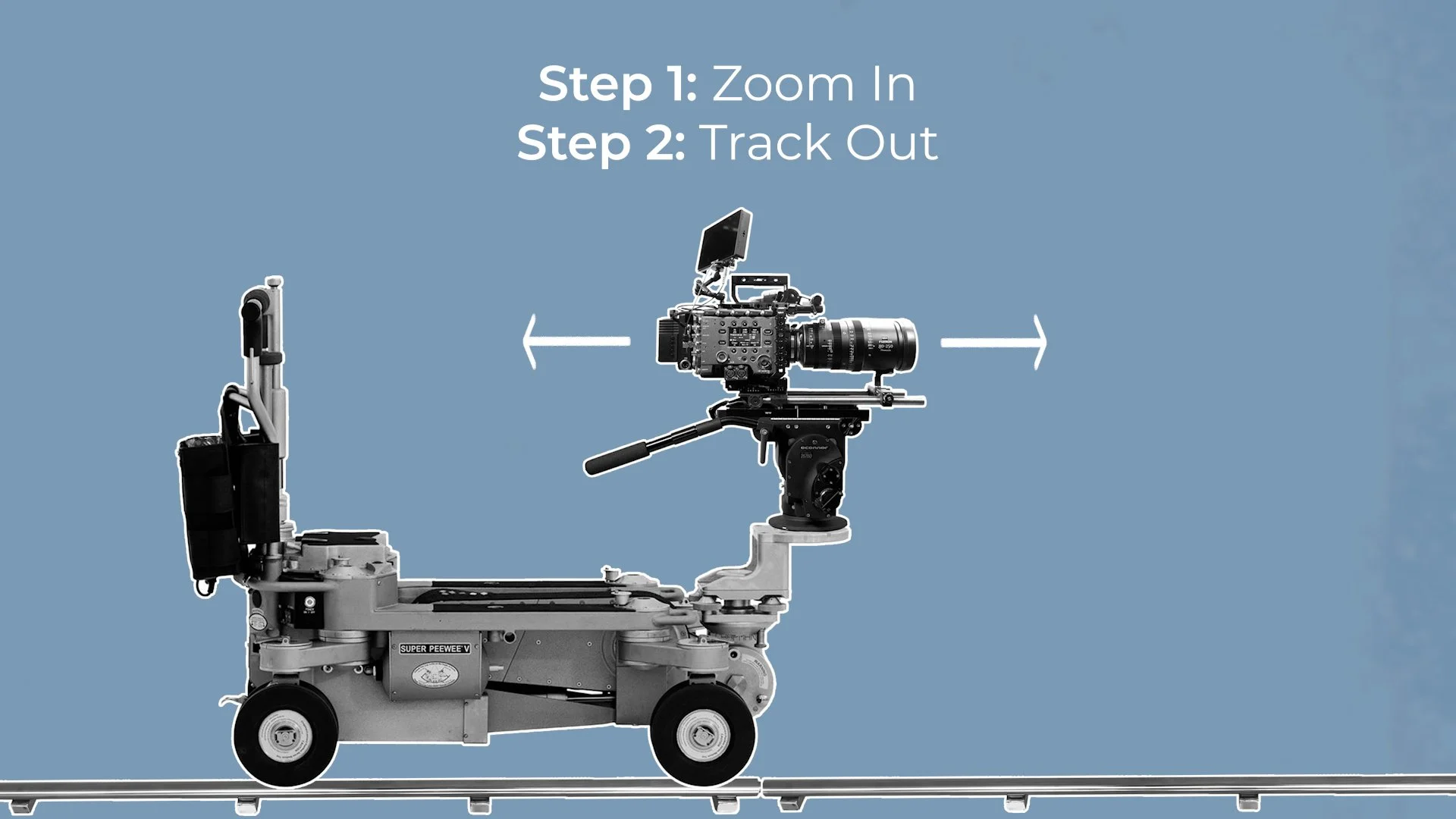
A dolly zoom makes the background undergo a radical distortion, while the subject remains the same size in the foreground of the frame, such as by zooming in to a telphoto focal length which makes the background appear closer.
This would normally result in the subject getting tighter and larger in the frame. However, to avoid this, the camera is dollied backwards to a wider frame at the same time and speed as the lens zooms in. Executing both inversely, cancels each other out, keeping the subject the same size in the frame while the background shifts due to the changing focal length - giving a vertigo sensation.
REQUIRED GEAR
This shot is usually done using a production dolly, like a Chapman PeeWee or Hybrid, and a few lengths of straight track which is set up pushing in on the subject.
The camera is placed on the dolly with a cinema zoom lens. These lenses have geared teeth on the barrel which can be rotated to zoom wider or tight. The camera team will then add a piece of gear called a Preston Micro Force. This gear is necessary for the lens to zoom smoothly and at a consistent speed - rather than doing a more jerky, manual zoom by hand.
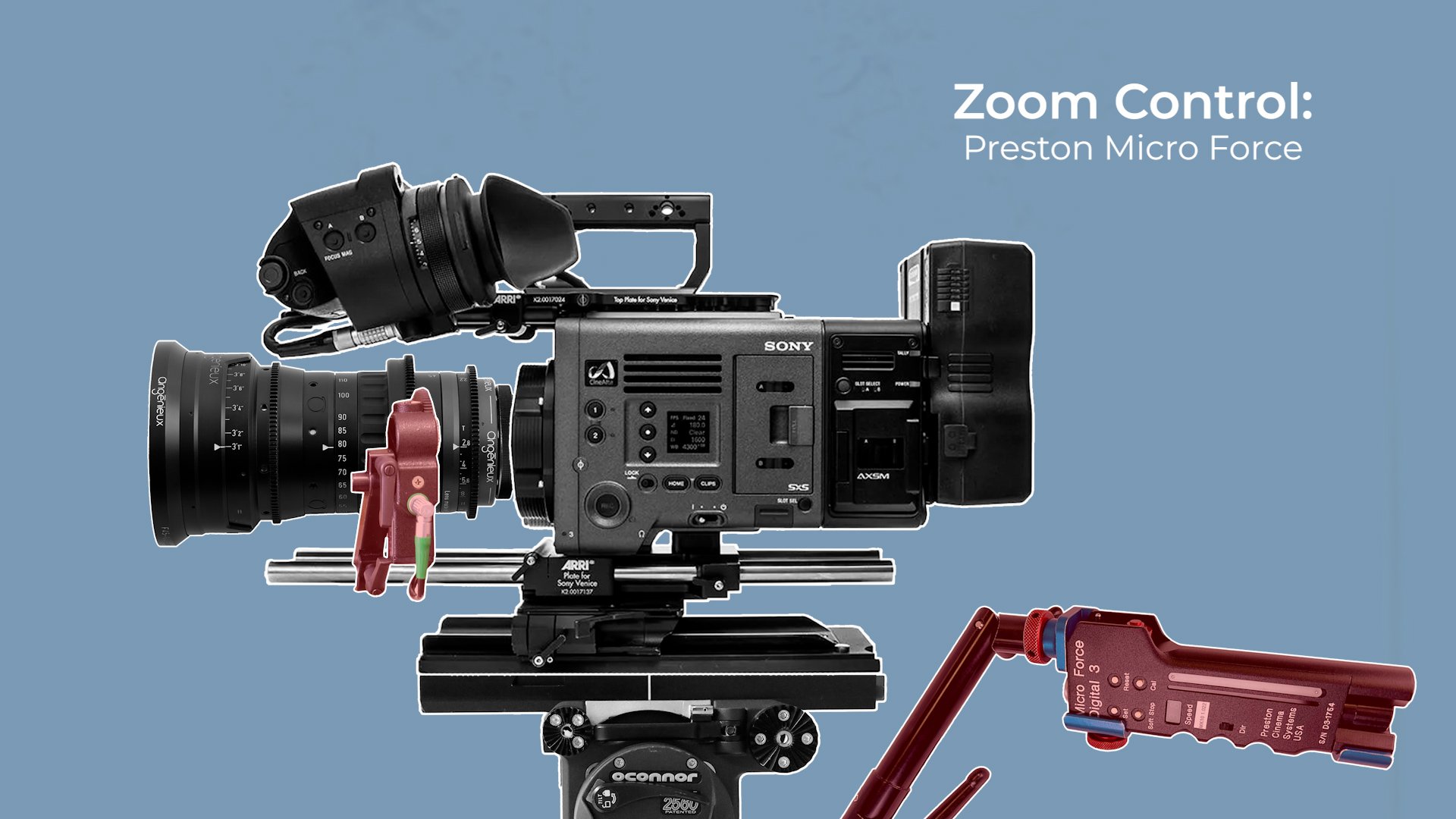
This motor has a gear that is aligned with the zoom geared teeth on the lens. Two cables, or a Y-cable, are attached to this motor, a power cable - that is usually plugged into a 12V battery plate on the camera - and a cable that is tethered to a control unit. This control unit is attached to the panhandle on the tripod head.
Once powered, the motor can be calibrated and it's ready to go. The operator can then push or pull a button to engage the zoom motor, which zooms the lens in or out. The speed of this zoom can be set on the bottom of the control unit to zoom the lens either faster or slower.
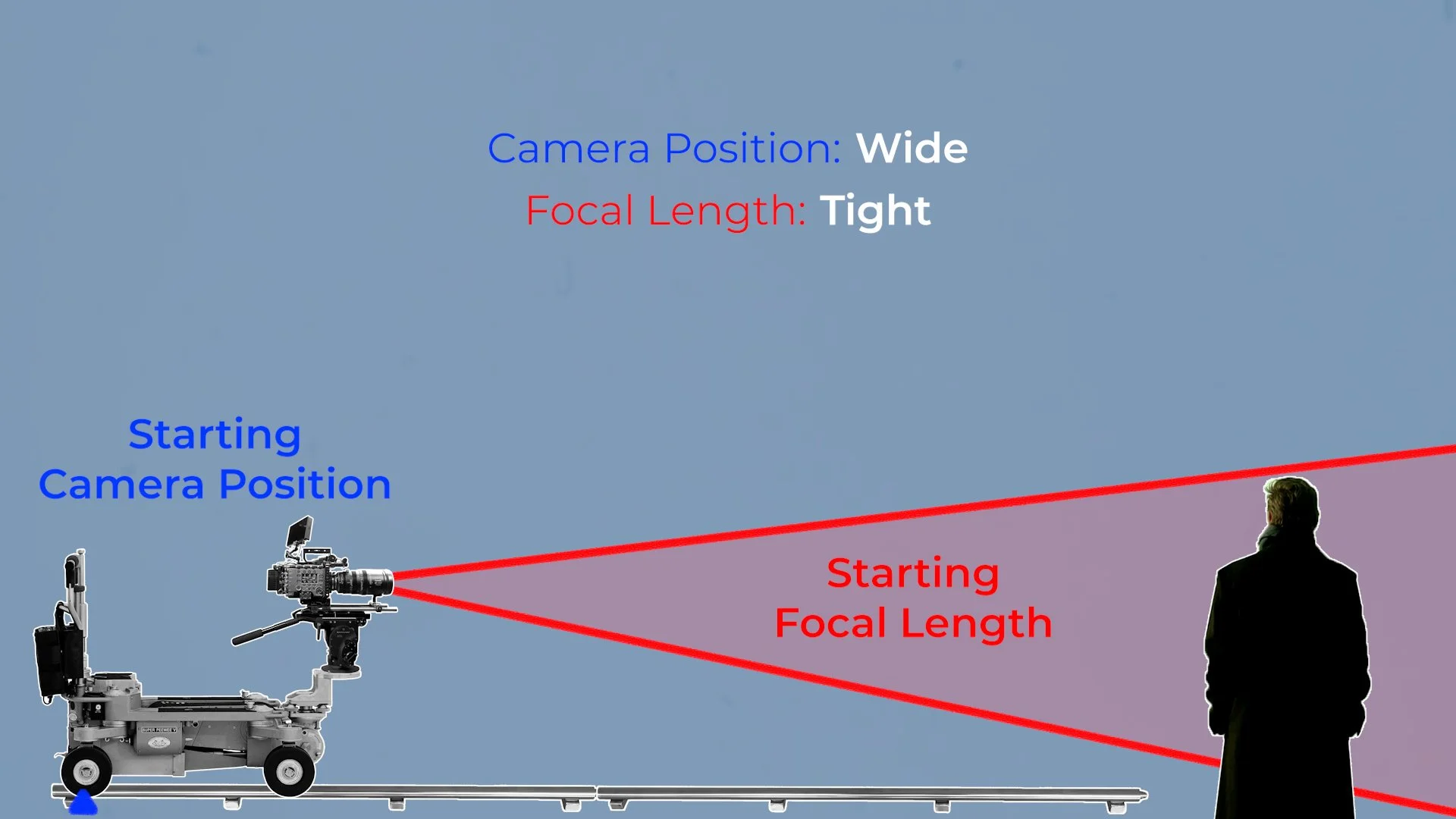
To set up the shot, the dolly will start at one end of the track, such as the end furthest to the actor. The operator sets the lens to a longer focal length with the Micro Force - marking this as the starting focal length.
The dolly position and the focal length should be opposite. So if the dolly is far away from the actor, the focal length should be telephoto and zoomed closer. If the camera is closer, the focal length should be wide angle or zoomed out.
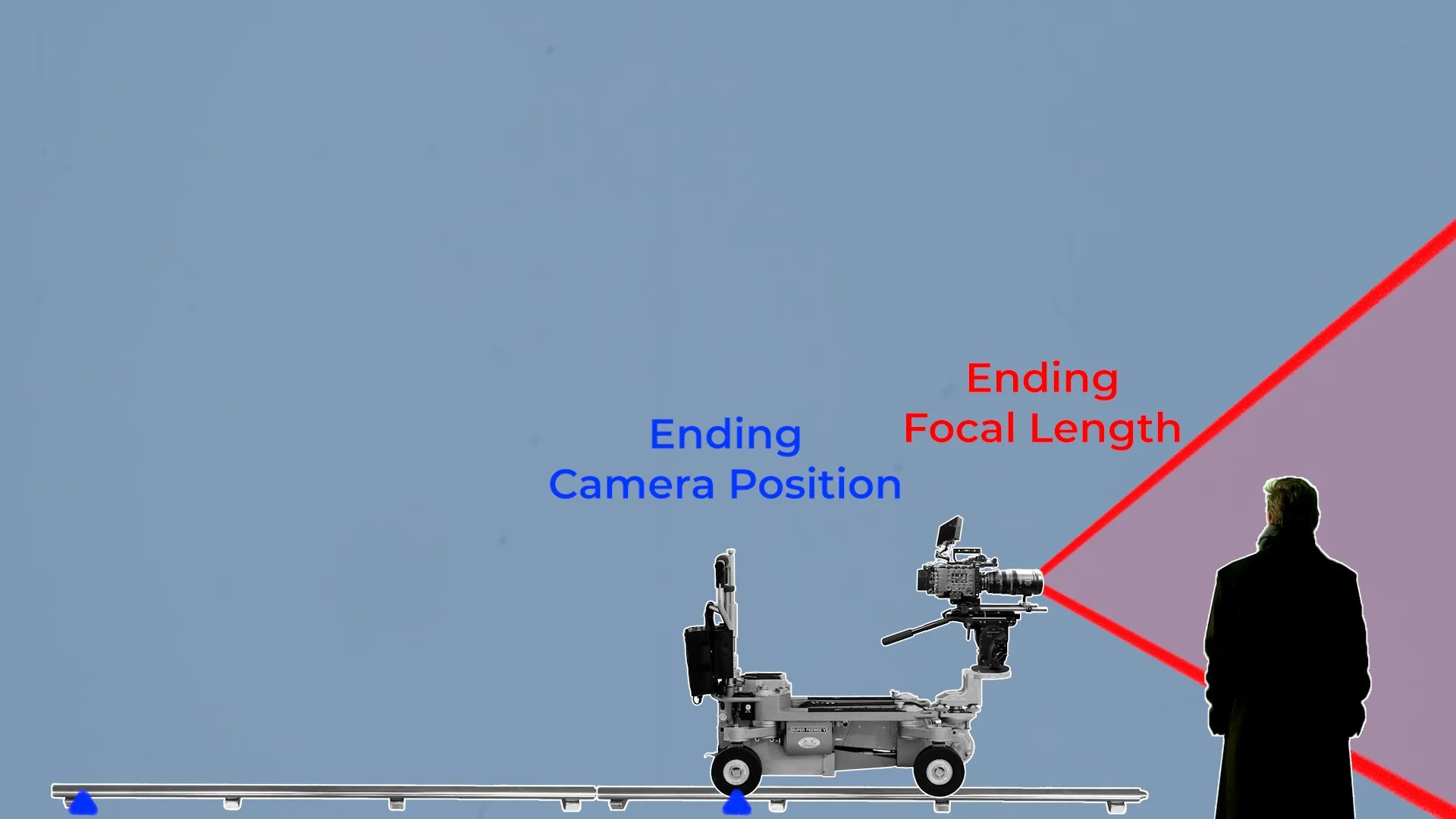
The dolly grip will then move the camera to the front mark on the track, and the operator will zoom the lens wider to find a frame where the size of the subject at this end position matches the size of the subject at the starting mark. They will mark this focal length on the Micro Force.
Now that both the dolly and the zoom lens have a start and an end mark, it’s possible to film the shot. In a coordinated move, both the dolly grip and the operator will do their push and zoom in sync at the same time - to create this odd effect.
While this is the way big productions do this shot, lower budget DIY solutions are possible - as long as you can find a way to smoothly track the camera and zoom at the same time.
WHEN TO USE IT?
The dolly zoom is the ultimate visual tool for capturing the internal shock or emotional revelation experienced by a character. It’s the instant a character’s internal reality completely shatters, whether through fear, a sudden realization, or a moment of devastating clarity. The background pulls away or rushes in, mirroring the exact feeling of the floor dropping out from beneath them.
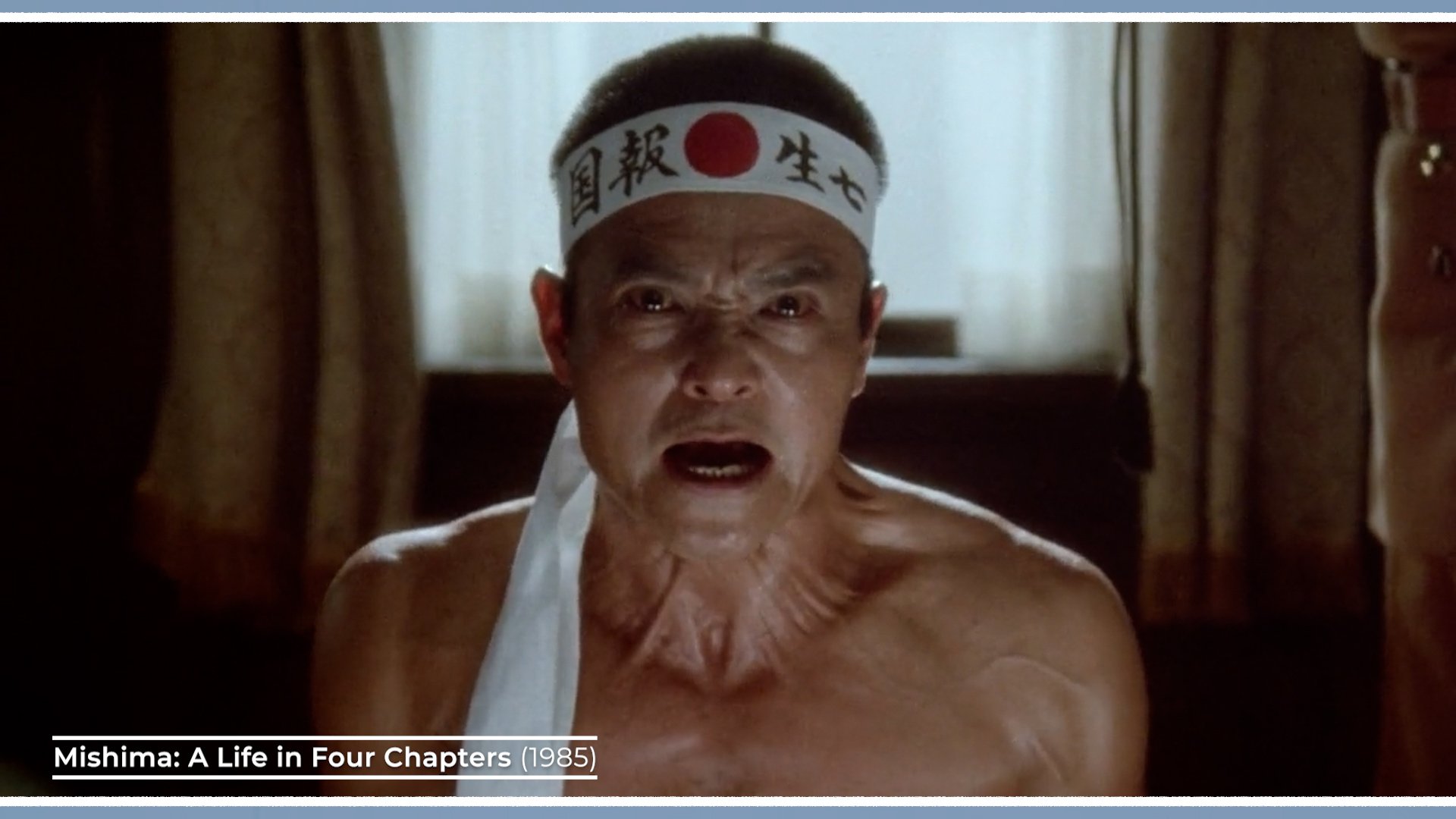
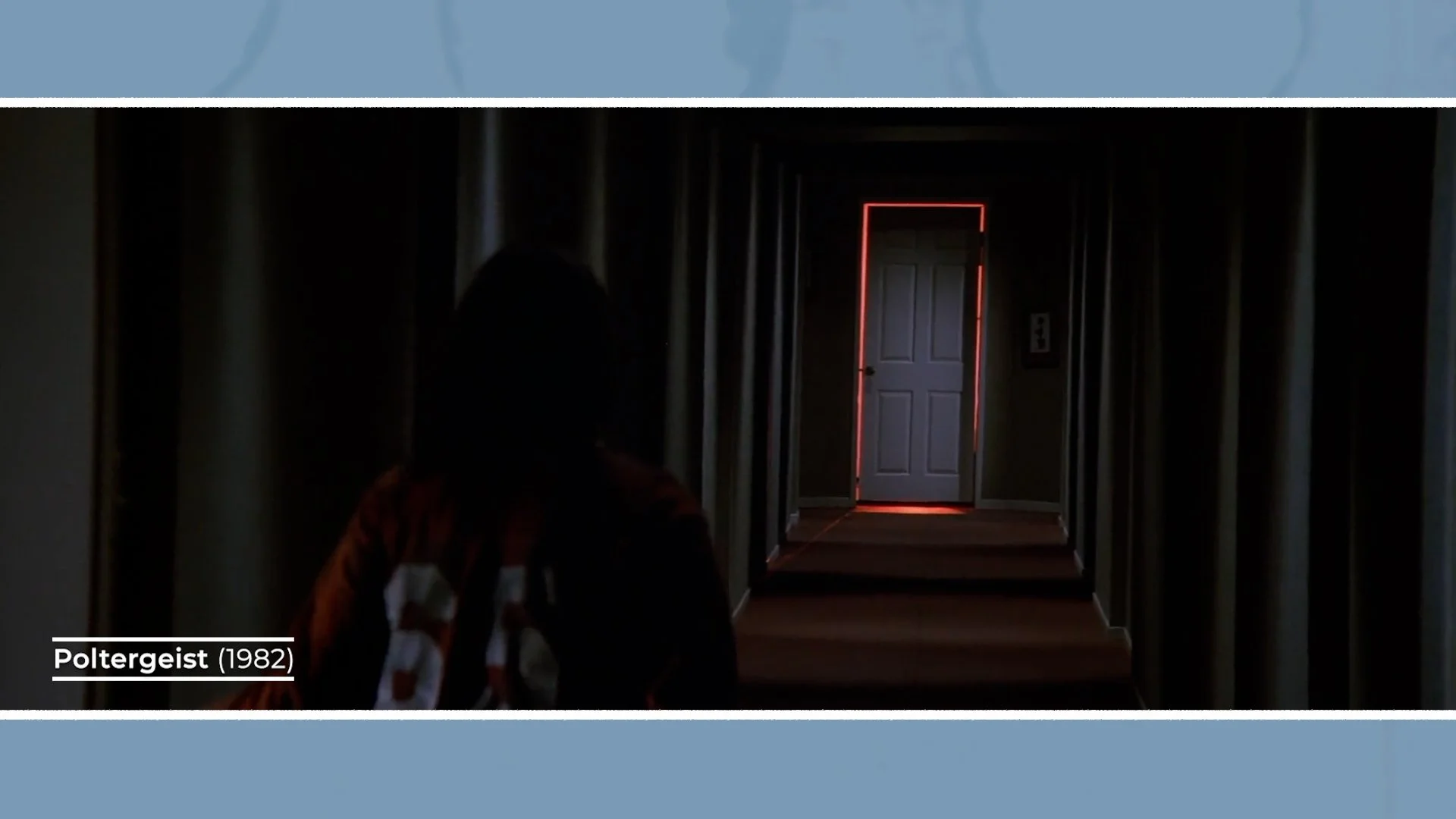
It’s equally powerful when the camera is flipped around to show a character’s point of view. By applying the dolly zoom to what a character is physically looking at, filmmakers can place us into their shoes, as we see their perspective warp. It can signal an impending threat or an inescapable dread, like the hallway in Poltergeist or the approaching Black Riders in The Lord of the Rings, or to literally simulate a disorienting phobia, as Alfred Hitchcock did in Vertigo.
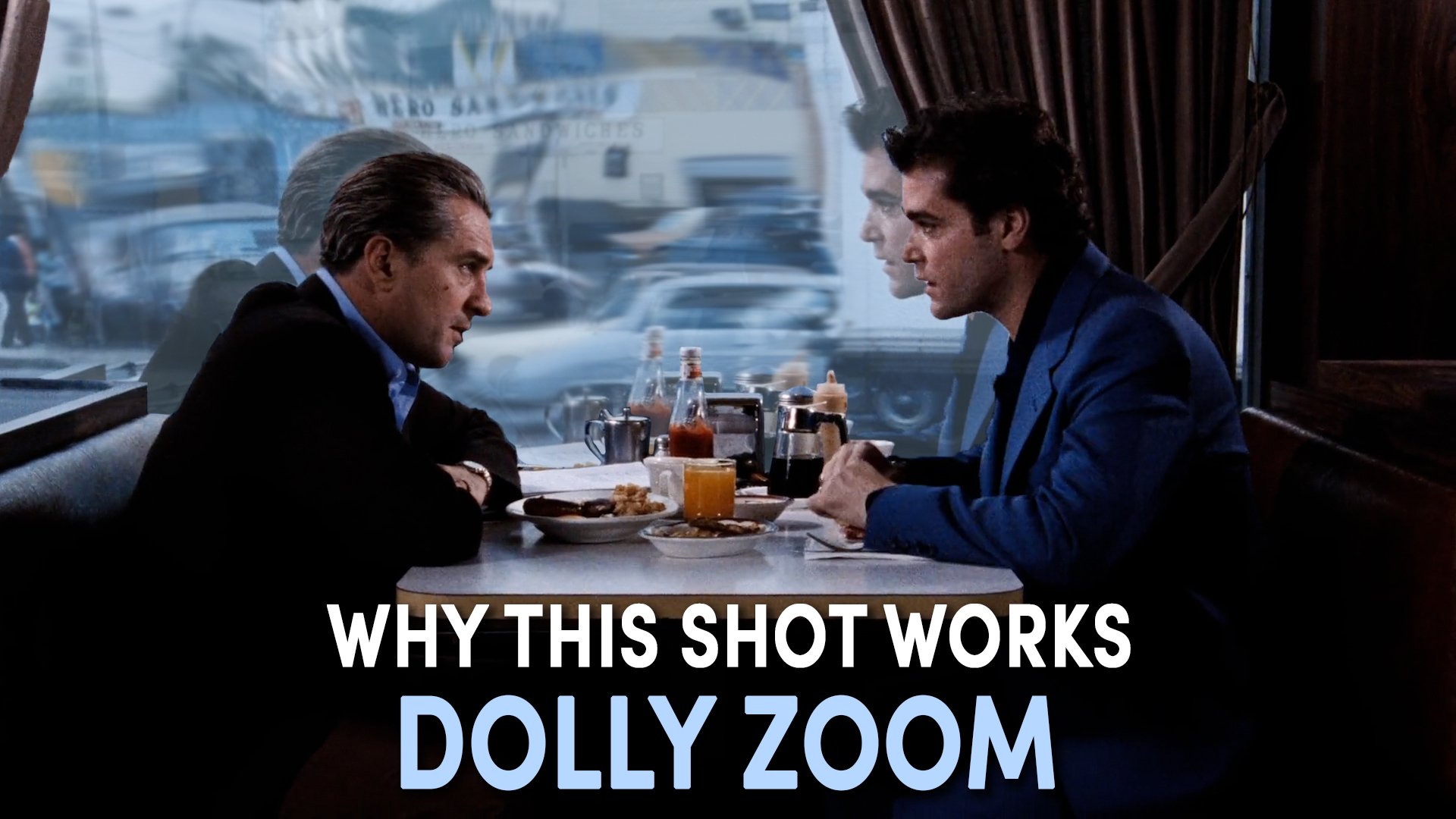
However, a dolly zoom doesn't always have to be a fast, sudden push. When executed as a slow, gradual crawl, the effect shifts away from acute panic to creeping dread. In Martin Scorsese’s Goodfellas, a subtle dolly zoom during the diner scene slowly compresses the background over an extended conversation. You might not even notice it happening at first, but the lens steadily tightens the room, steadily elevating the unbearable sense of claustrophobia, isolation, and paranoia that the character is feeling - as things start to close in around him.
Because the dolly zoom so significantly distorts cinematic space, it carries immense psychological weight. For that exact reason, it’s a technique that is used sparingly. Overusing a shot this distinct shot quickly diminishes its visual potency, whereas reserving it for a single, pivotal moment of elevated emotion guarantees maximum dramatic impact.